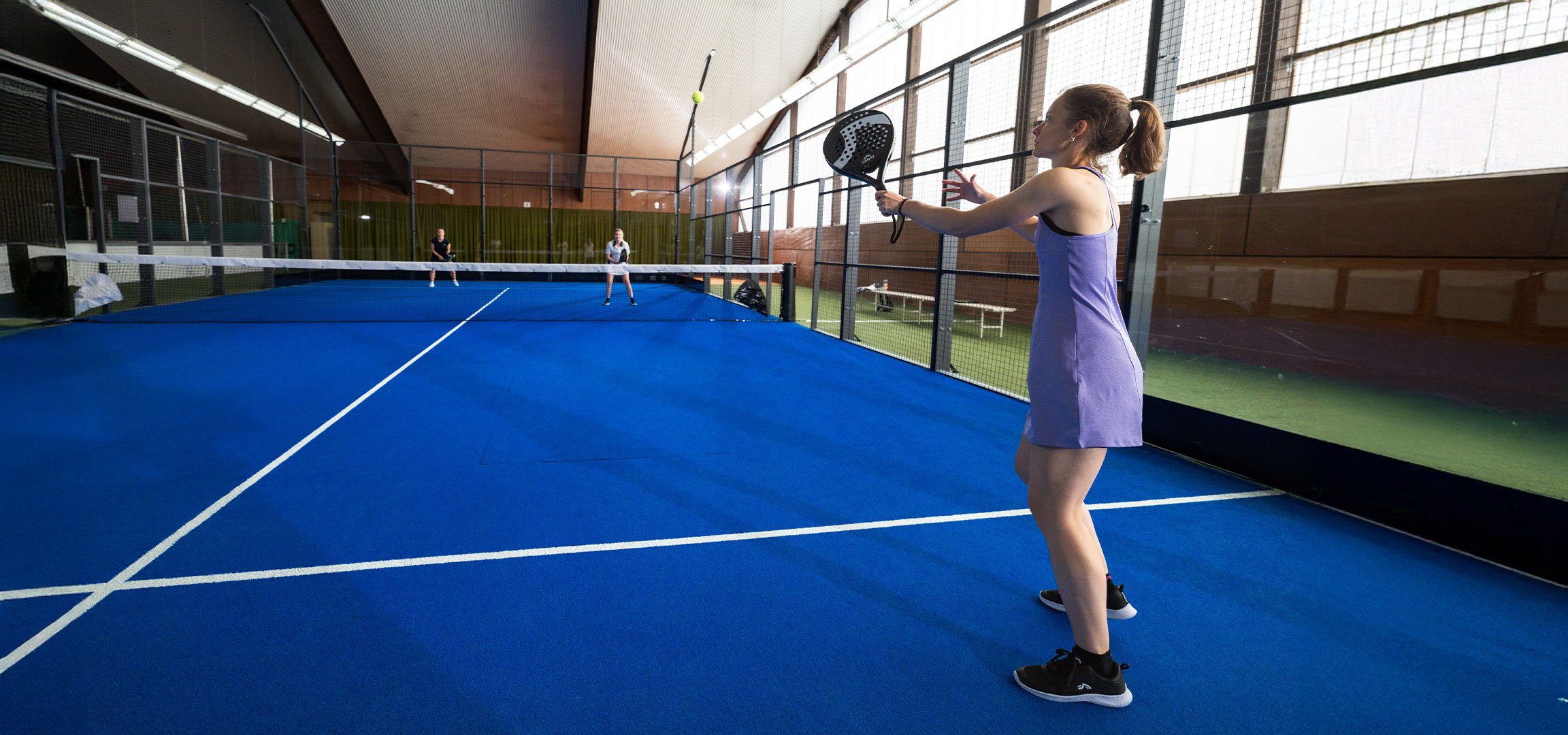
Padel for beginners, let's get started!
Padel is quick to learn, accessible and fun! That's why padel is one of the fastest growing sports in Europe. If you haven't tried it yet, it's high time you did. In this guide, you'll find out everything you need to know as a beginner, from the rules to the equipment you'll need. Our padel expert Lana also gives you helpful tips for your first game.
What is padel?
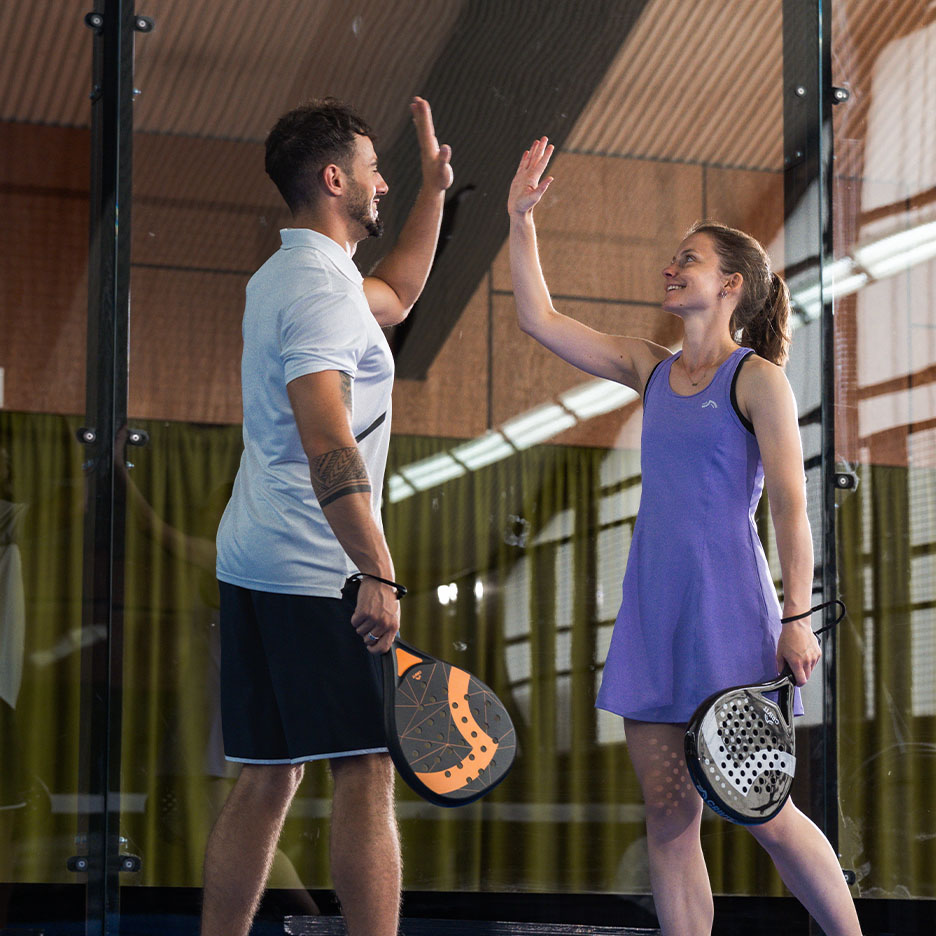
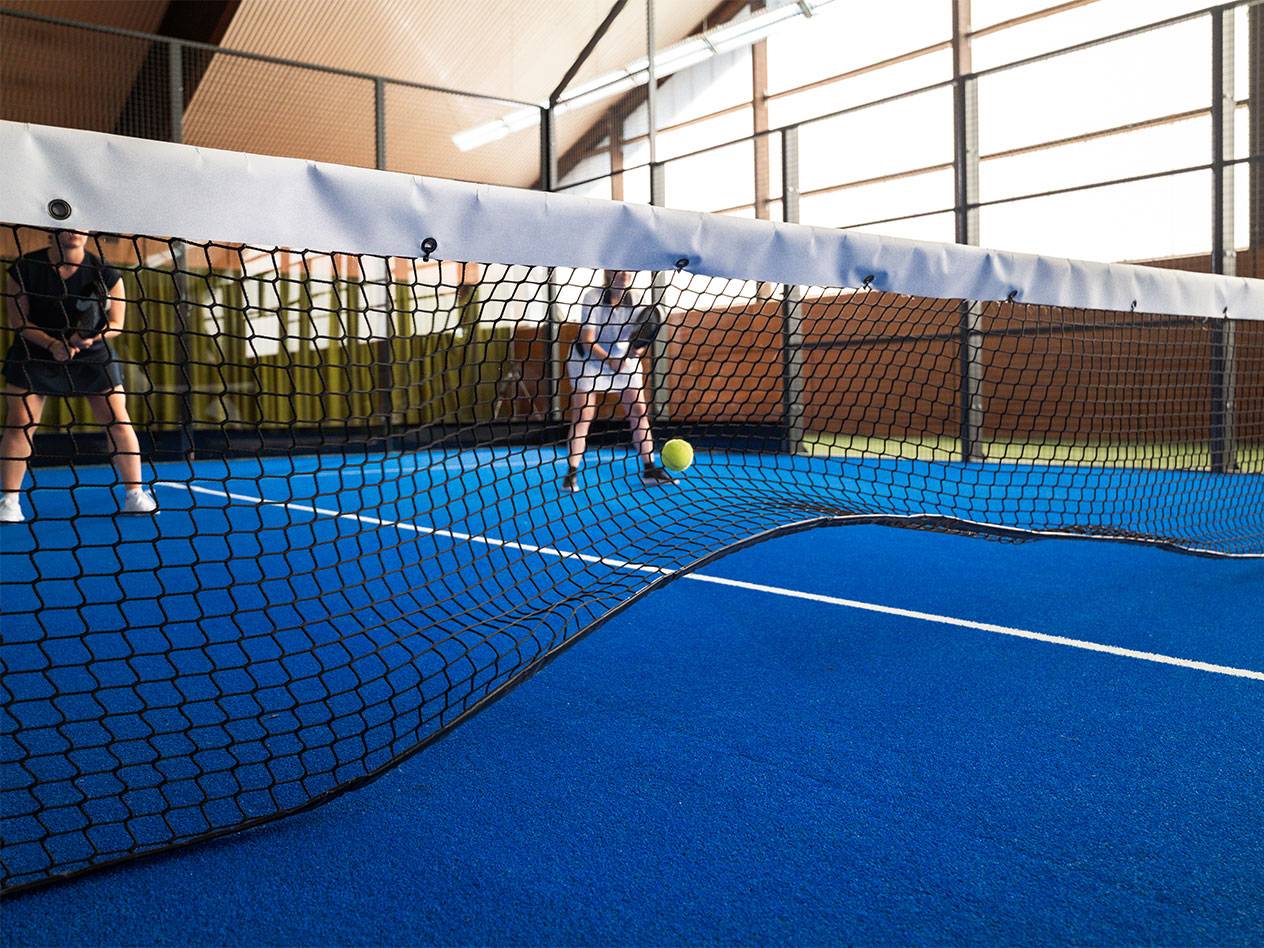
Padel is a mix of tennis and squash and is usually played in doubles on a smaller court surrounded by glass and grid walls. The special thing about it is that the walls can be included in the game and can either be used to play the ball back to your opponent or for clever defence tactics. The result is a fun, dynamic game that is exciting and beginner friendly.
What are the rules of padel?
So that you don't find yourself standing on the court without a plan for your first padel match, here is an overview of the most important rules.
Doubles:
Padel is usually played as doubles – 2 against 2.
Scoring:
Points are counted similar to tennis – 15, 30, 40, game win. Usually 6 games are played. The winner must have a lead of 2 games.
Serving:
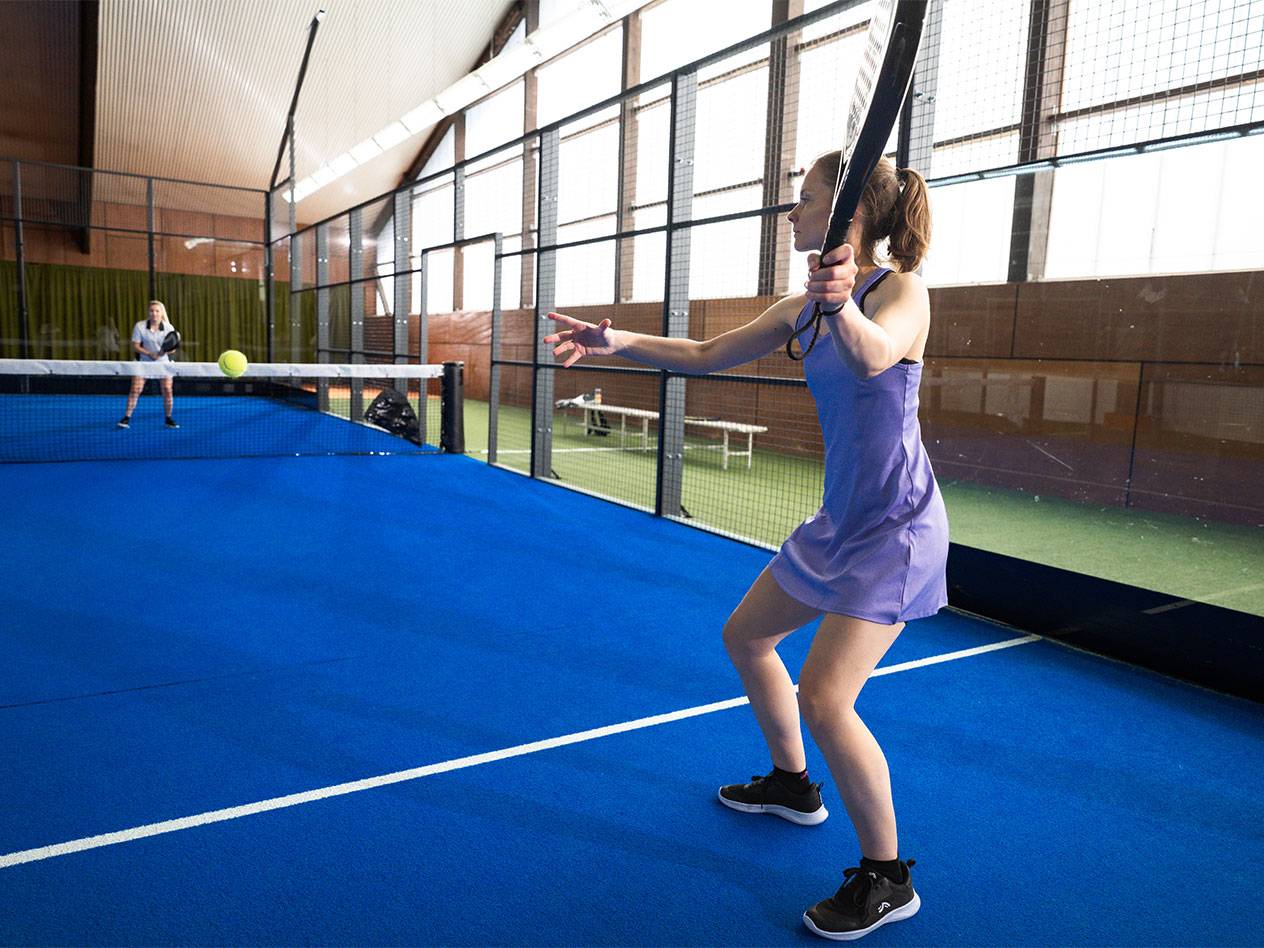
The serve is made below the hip and diagonally into the opponent's service court. The ball must bounce once after the serve before it hits the wall or goes out of play.
The wall:
The walls may be included in the game, but do not have to be. The ball can either be played directly over the floor or over the wall to the opponent. The back walls may also be used.
What do I need to know for my first padel match?
"Padel doesn't start with perfect strokes - it starts with the first attempt," says padel expert Lana, who is a national padel player herself. Nevertheless, it helps to know the basic technique. This will help you progress faster and have even more fun on the court.
How to grip your racket correctly - the Continental Grip
Many beginners grip their racket too tightly or incorrectly, this inhibits manoeuvrability and control.
How to do it right:
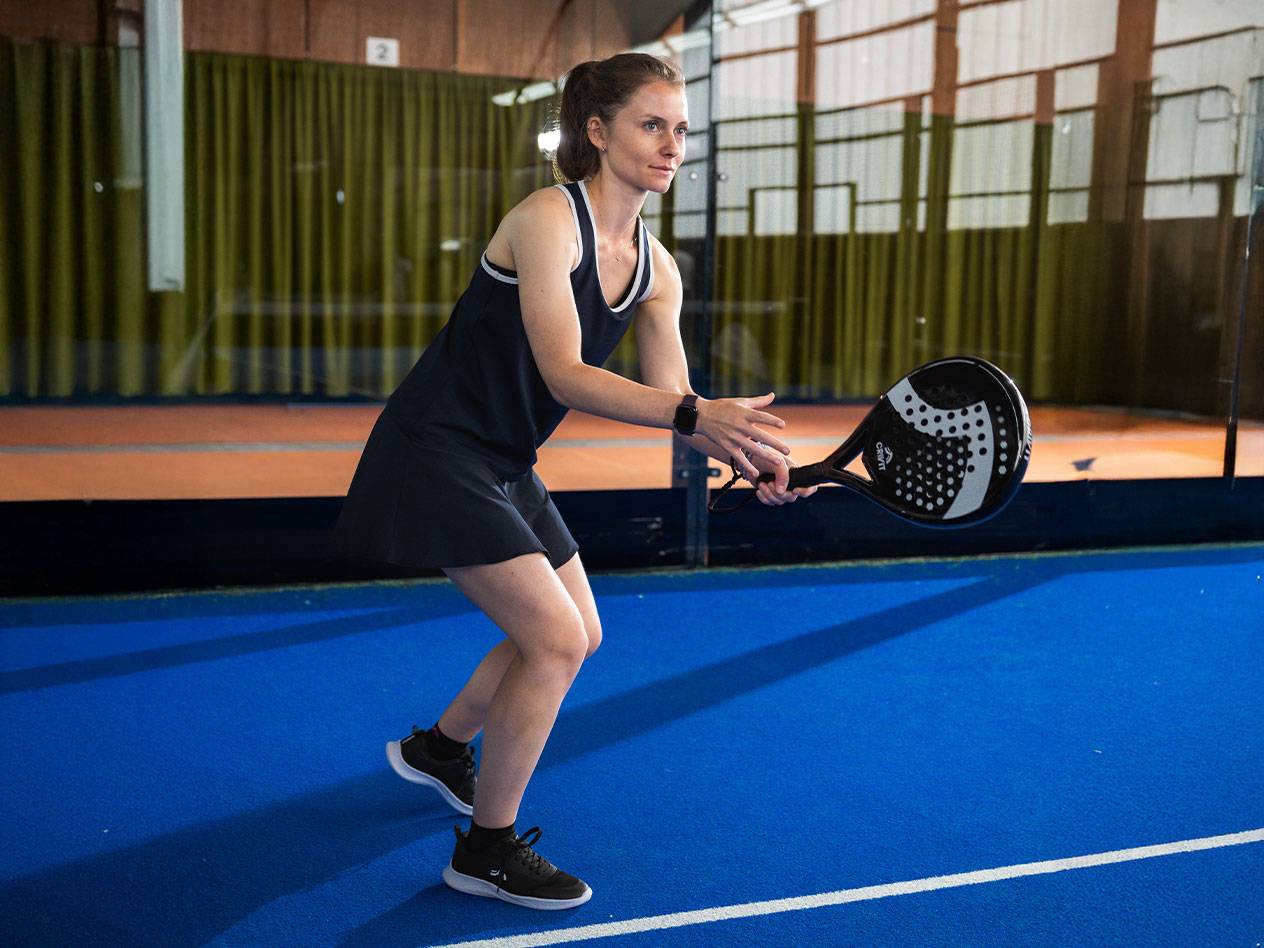
"Grip your racket as if you were giving someone a relaxed handshake - loose, neutral and without firm pressure," explains Lana. This is called a Continental Grip. Make sure you don't bend your wrist. She also advises: "Always position the racket slightly diagonal in front of your body, this ensures stability, good control and allows you to react quickly, even to unexpected balls."
The ready position - your starting point for padel
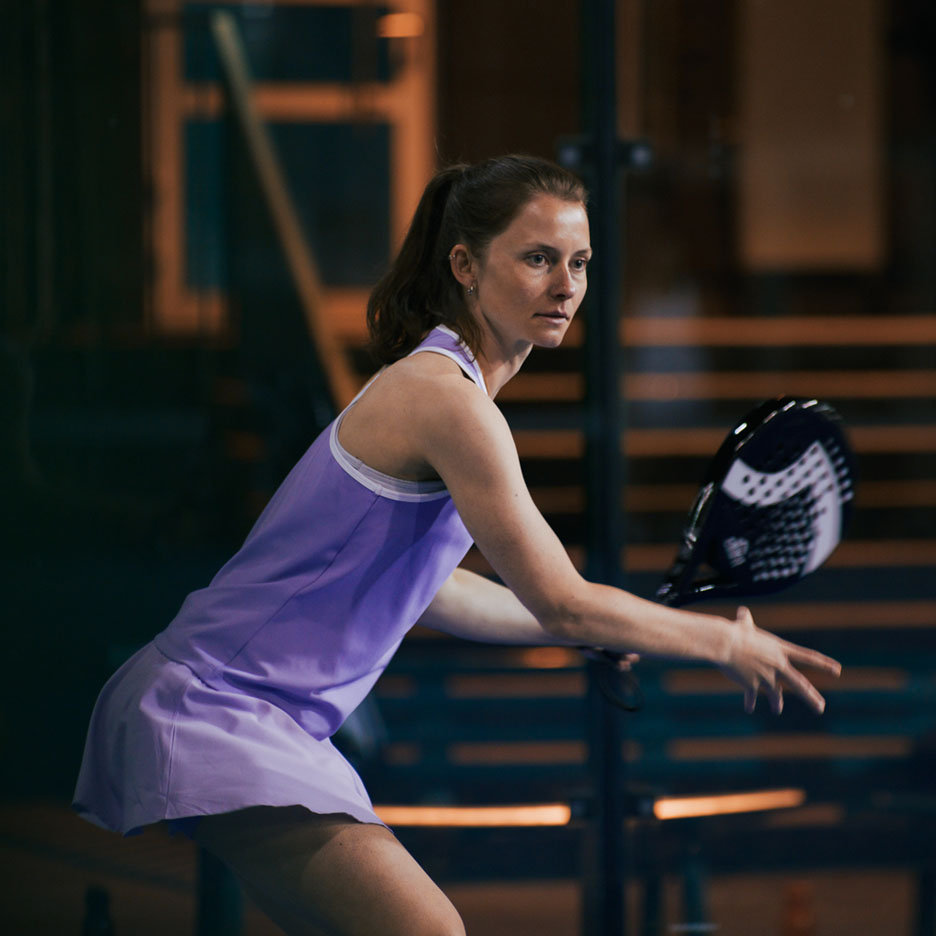
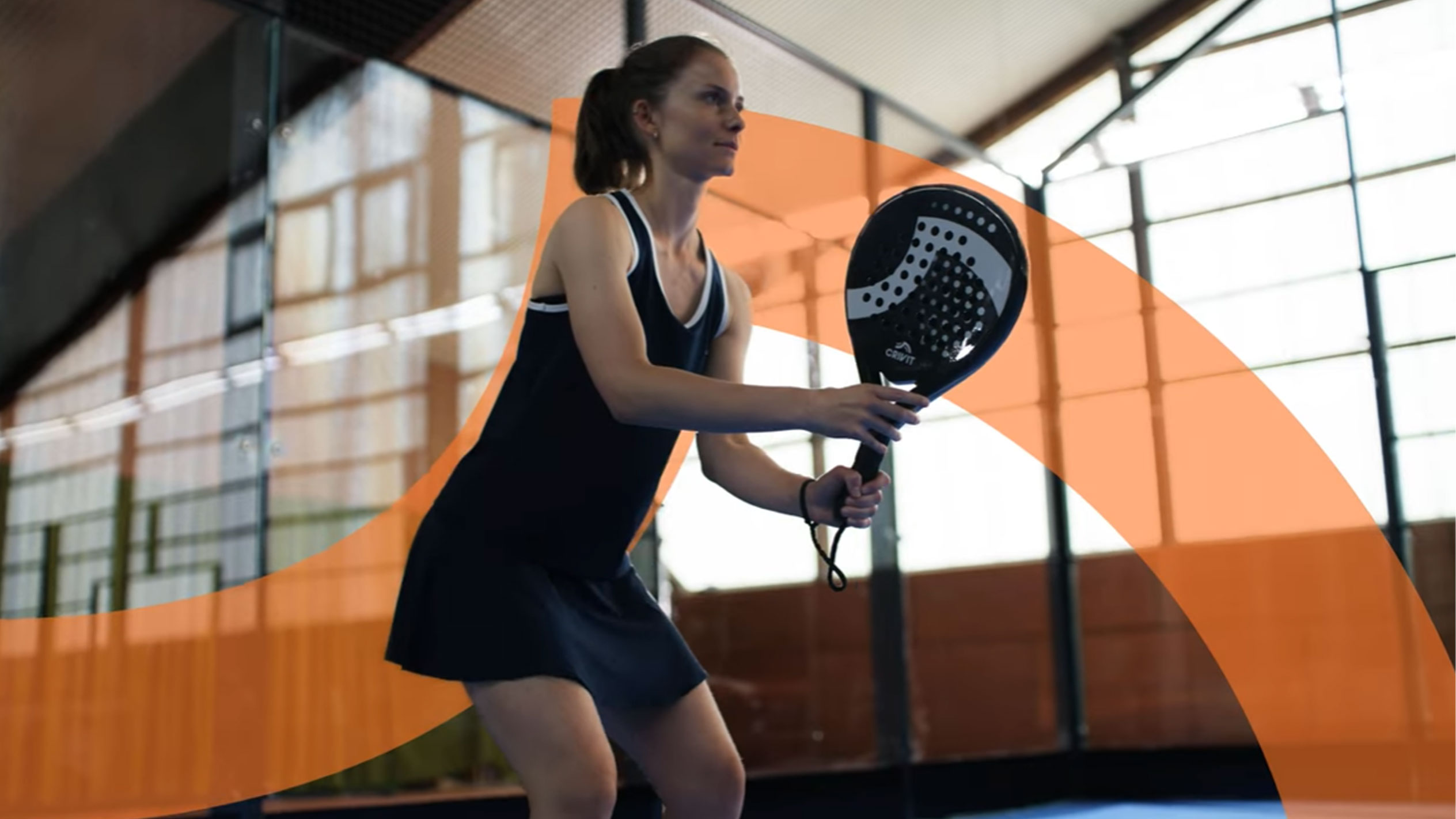
Your posture determines how quickly you can react to the next ball. The ready position is your neutral starting position. It helps you to be ready for any shot your opponent plays. "Bend your knees slightly, place your feet hip-width apart and shift your weight onto the balls of your feet. Hold the racket in front of your chest and look forwards, that way you'll always be ready for the next shot," says Lana. She also recommends: "Move with small tapping steps instead of big jumps to keep you fast and agile. This light, controlled footwork helps you to be more responsive to your opponent's shots."
The lob - tactically clever defence
"To keep the upper hand in the game, you not only need fast legs, but also clever shots." Lana knows this all too well from her games. "A lob is a high, long shot that flies over your opponent and lands in the back of the court. It gives you time to reposition yourself and puts your opponent under pressure." This allows you to quickly regain control of the rally.
Soft forehand & backhand - controlled instead of powerful
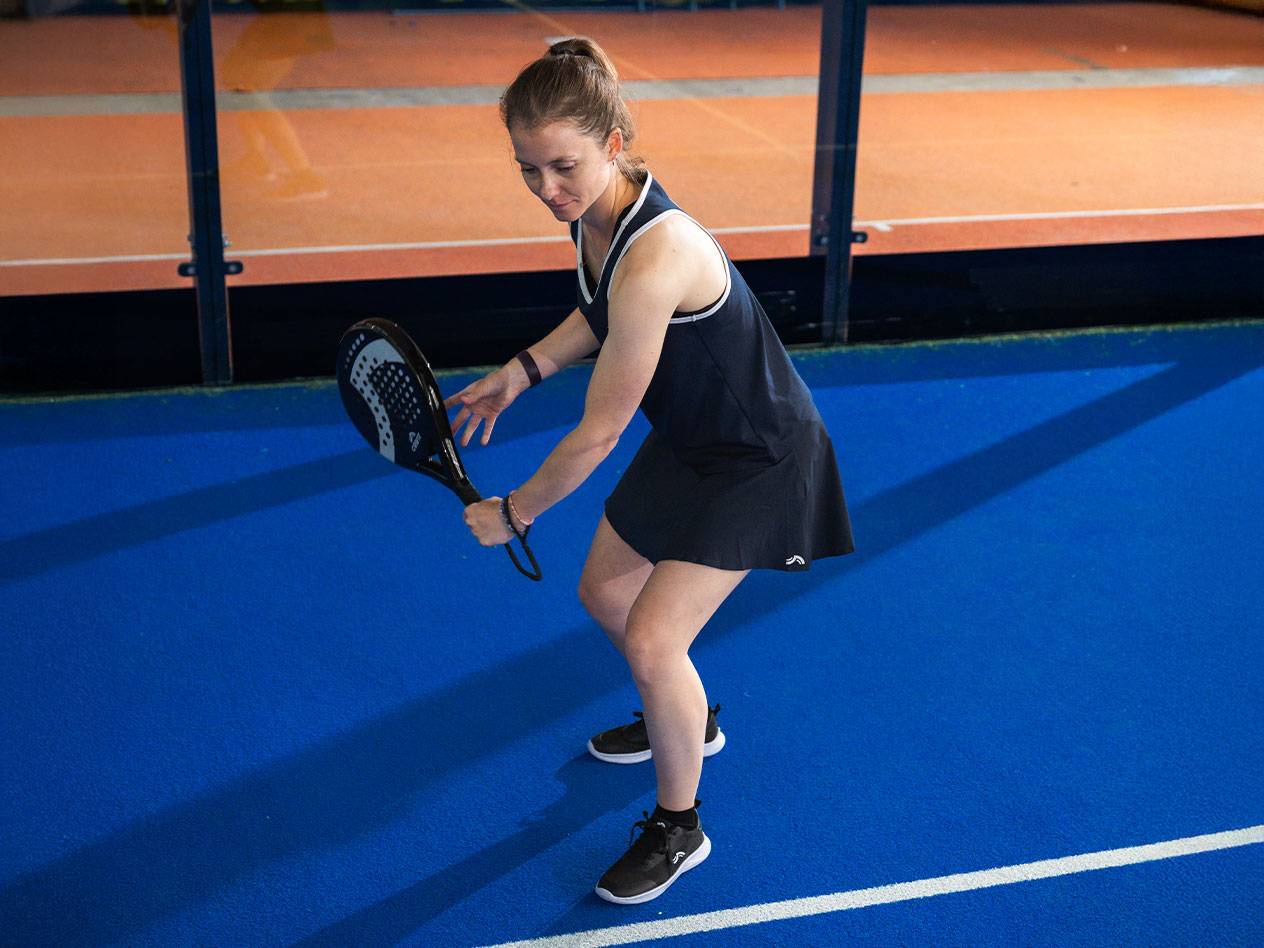
These tactical shots only work with the right technique, however a distinction is made between forehand and backhand. Bear the following in mind: "With the forehand, you open the racket slightly and hit the ball in front of your body. The movement is from bottom to top - this is how you get the ball over the net safely and with control. With the backhand, you can use both hands, similar to a tennis slice. It's important to make a short, controlled lunge so that you hit the ball safely."
An extra tip from the expert:
"Take some time at the beginning to practise your forehand and backhand alone on the wall. Play the ball against it again and again with soft, controlled strokes - this will give you a better feel for the right hitting point and timing."
What padel equipment do I need?
You don't need much for your first match, but the right equipment still makes a difference. See below for all the equipment you need for your first match.
The padel racket:
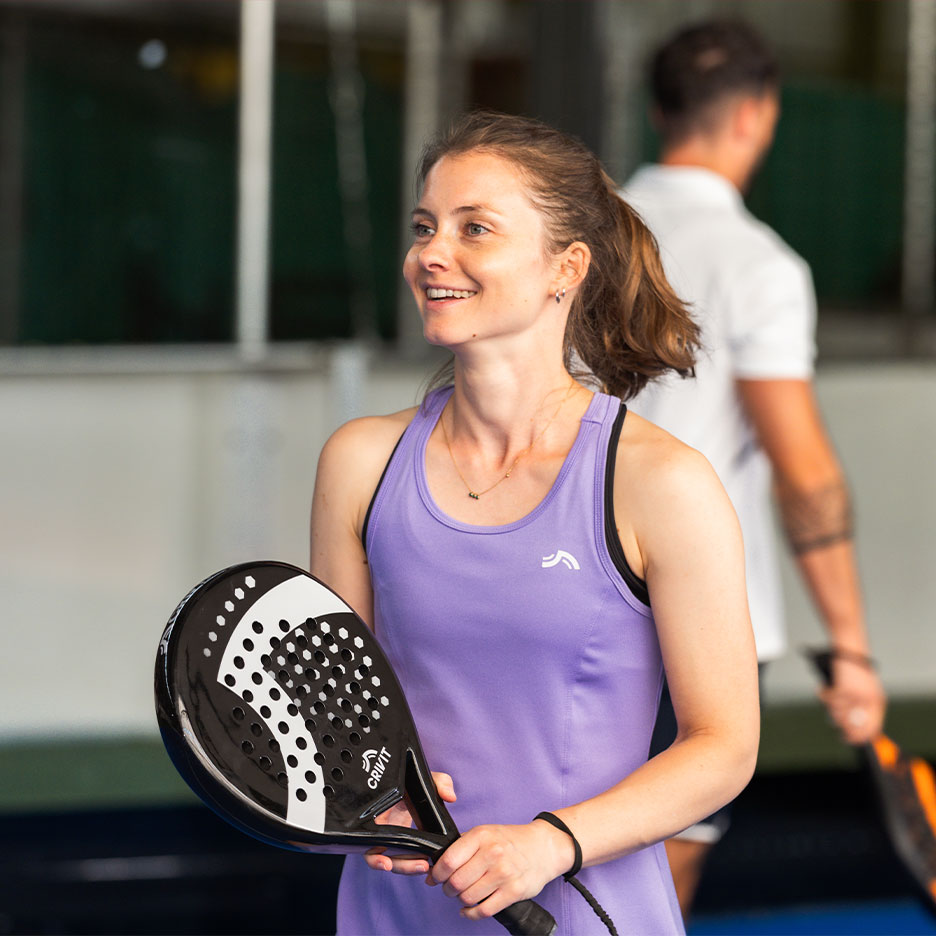
"A padel racket is very different from a classic tennis racket, it is more compact and has a closed hitting surface with holes rather than a string. This makes it particularly easy to control - a real advantage, especially at the beginning." You really shouldn't make any compromises when it comes to the racket.
The balls for padel:
Even if the balls look like tennis balls, there are significant differences. "The balls for padel are softer and have less pressure. This slows the game down a little - perfect for getting to grips with the game. "
The right clothing:
For a good game, you need to be able to move properly and need comfortable clothing that supports this. "You'll be moving around a lot and you're guaranteed to work up a sweat. Breathable clothing makes the game much more comfortable."
Good training shoes:
"Training shoes with cushioning and a non-slip sole are sufficient, you need grip on the court above all, because padel is played on artificial turf with sand," says Lana. "Slipping can be a common occurrence in the game, so the right shoe is important for safety and performance".
It's time to play your first Padel match
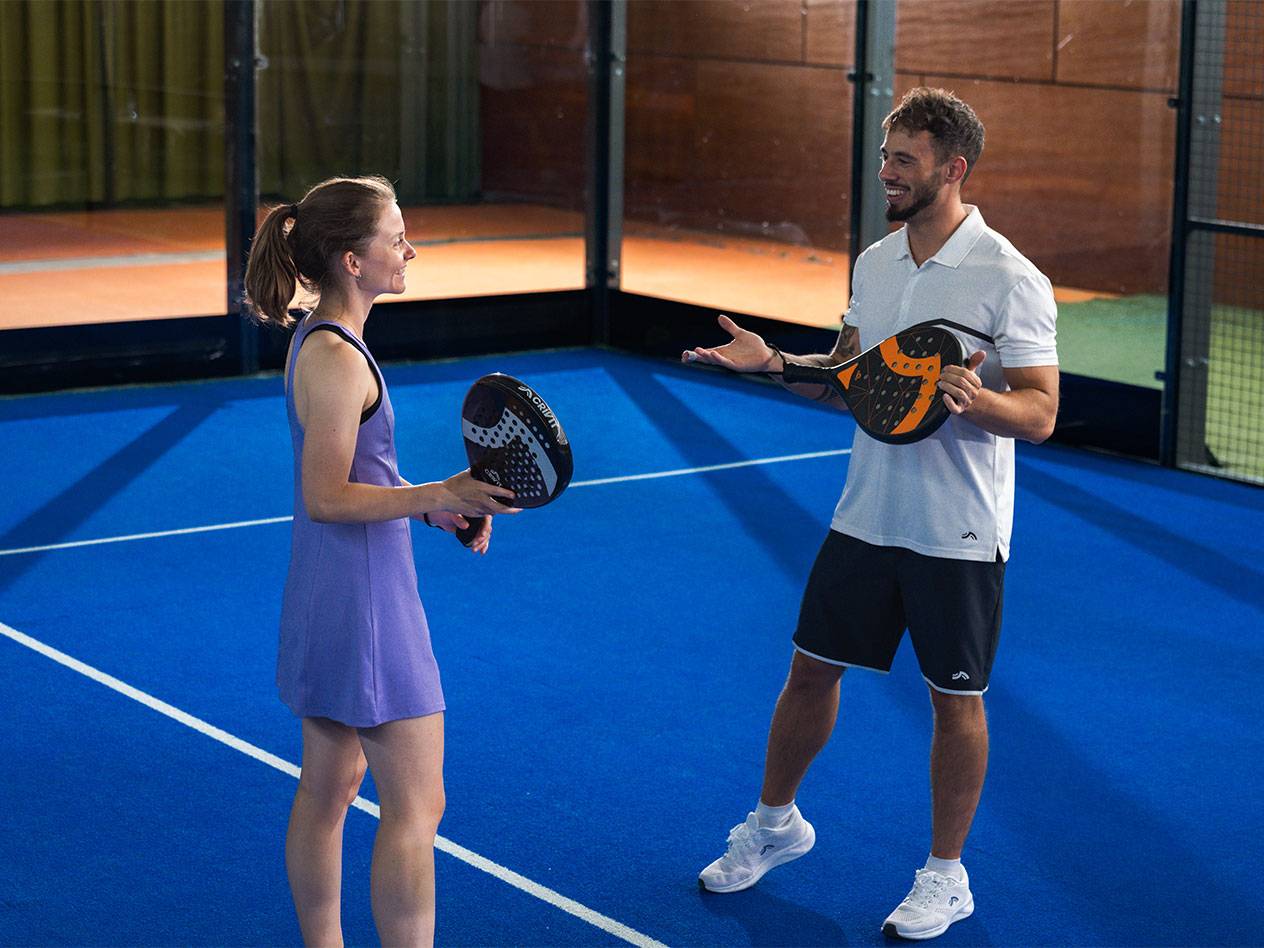
Remember, nobody plays like a pro in their first match, but with a little practice and good technique, you'll have the best chance of finding your flow quicker.
So, grab a racket, find a match and discover how much fun padel really is!
See what's new and coming up in the Middle of Lidl here.
Frequently asked questions about padel for beginners.
To get started with padel, you will need a special padel racket, suitable padel balls (with less pressure than tennis balls), comfortable sportswear and training shoes with good grip and cushioning.
The game is played like tennis: 15, 30, 40, game win. A match usually consists of two winning sets. Within a game, a team needs a two-point lead to win.
Use the Continental Grip. Grip the club as if you were shaking hands. The grip remains loose, the wrist stable. This allows you to react quickly and hit with control.
Yes, padel is particularly beginner-friendly. The rules are simple, the technique is easy to learn, and a smaller court means you can have quick rallies and lots of fun that'll leave you hooked on the game!