Learning to play padel
Padel is suitable for all levels and ages and is the perfect sport for beginners Fast rallies and teamwork make this mix of tennis and squash a lot of fun.
What is padel?
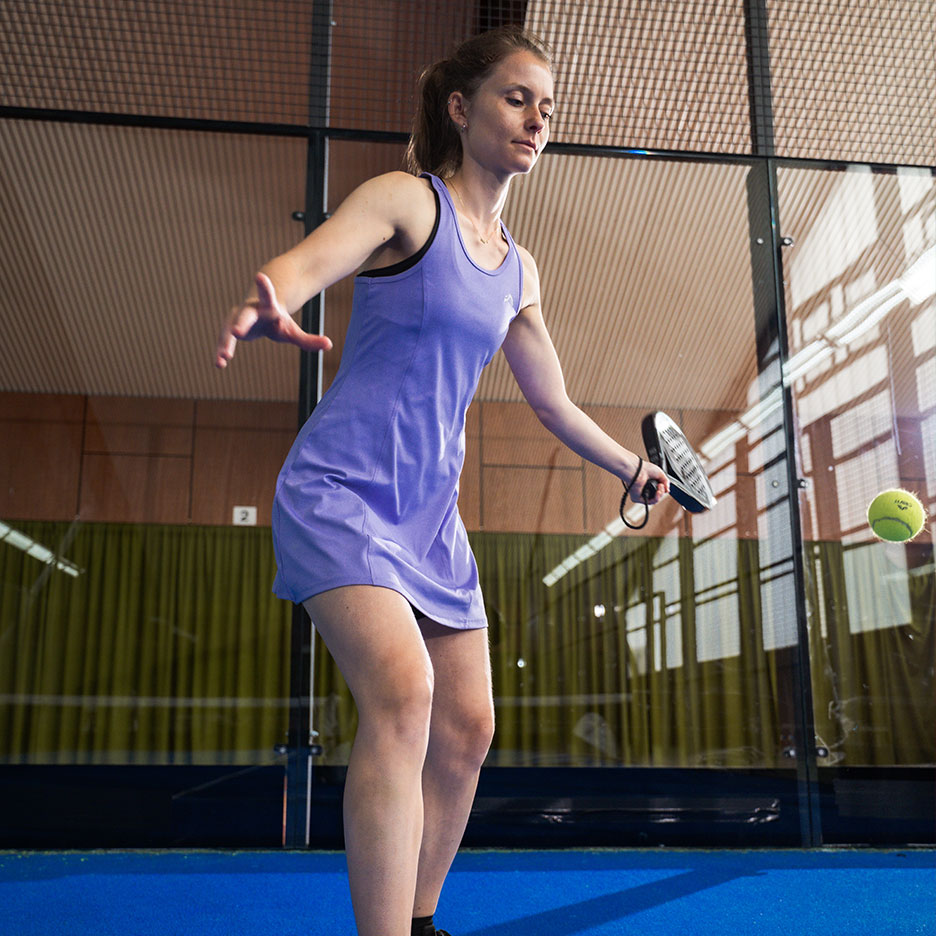
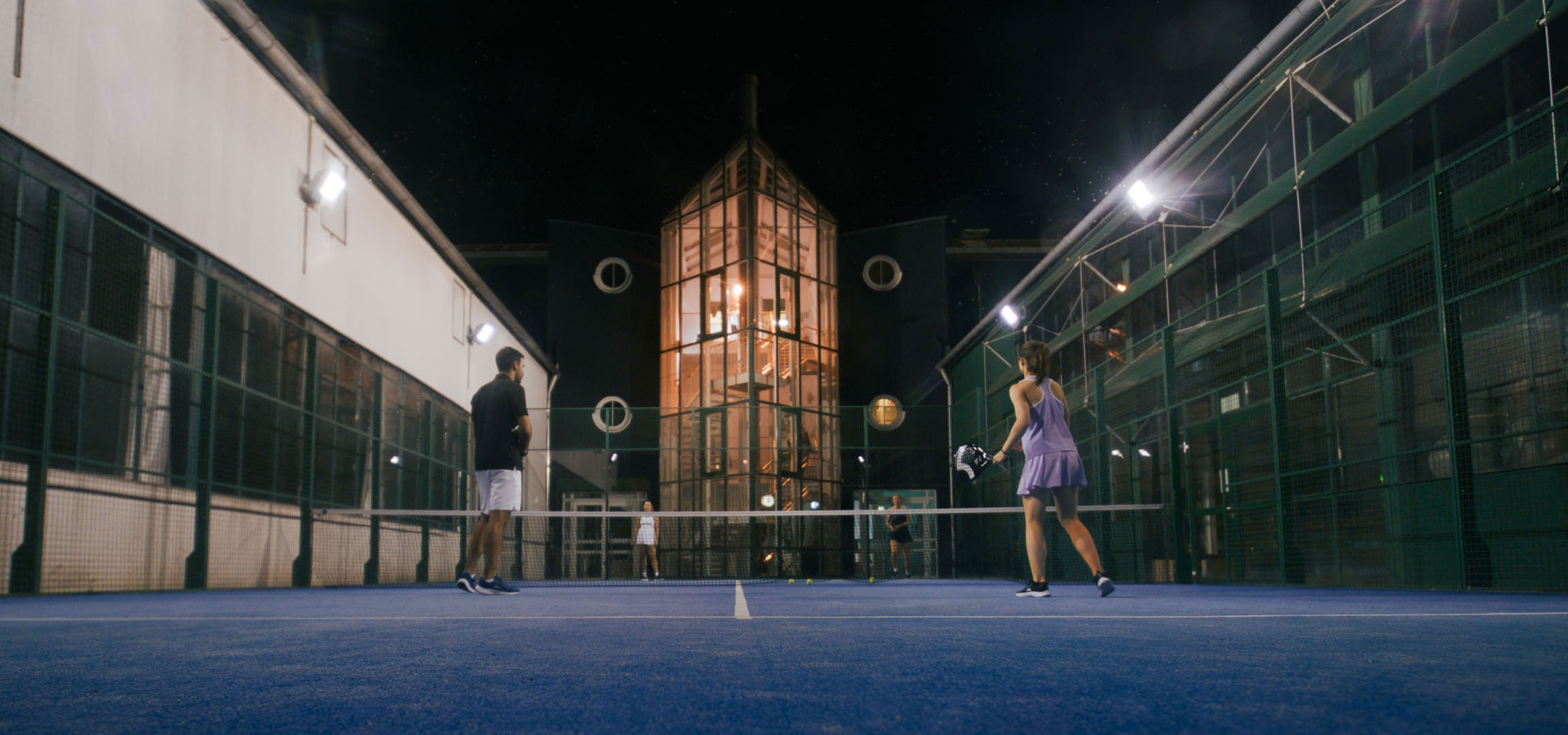
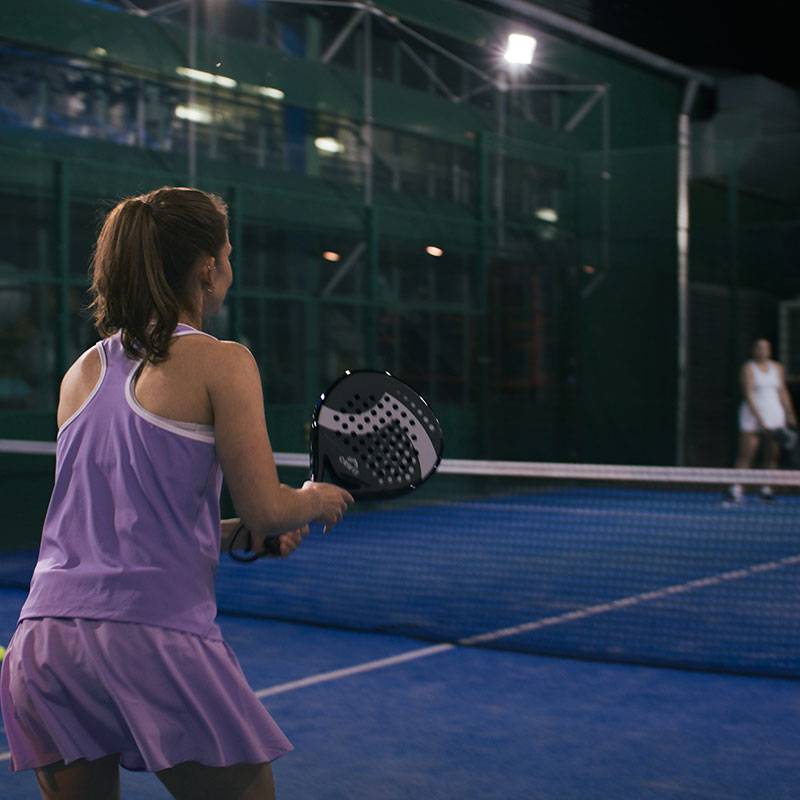
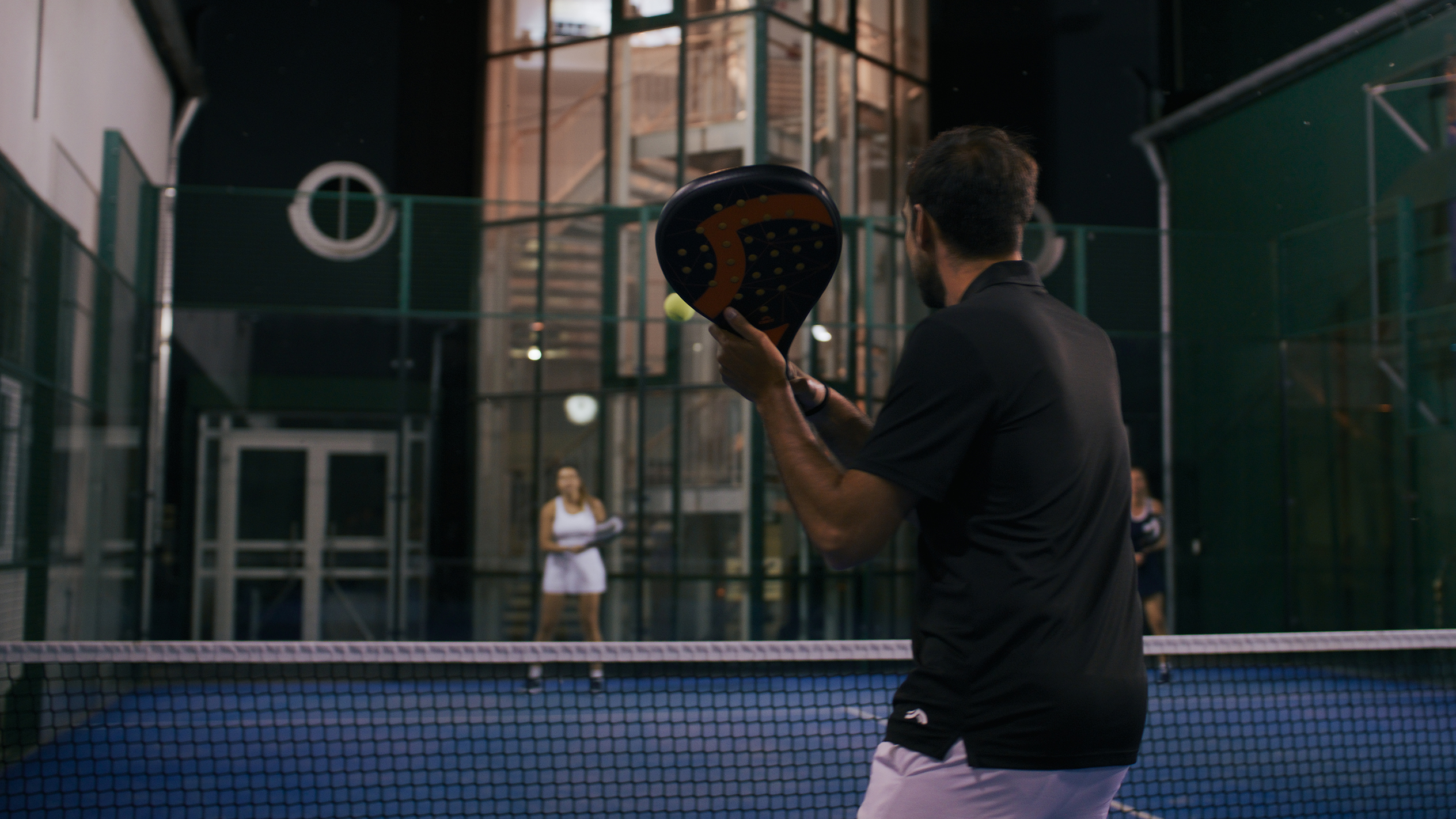
Padel, also known as padel tennis, is a game played in doubles. It is similar to tennis, but is played on a smaller court with walls. One unique feature of padel is that the walls can be used as part of the game, either to play the ball back to your opponent or for clever defence shots. The game is dynamic, exciting and beginner-friendly.
Why padel is so popular?
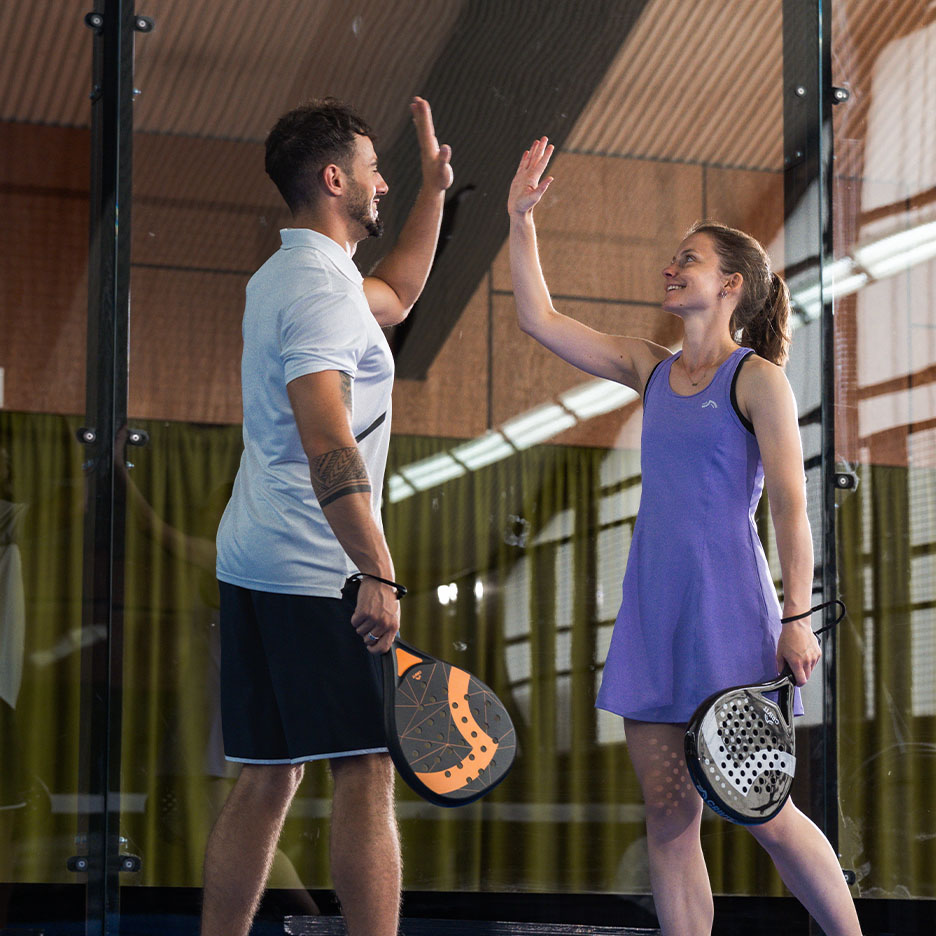
Padel is playful, dynamic and social, a combination of technique, endurance, coordination, team work and communication. So it's no wonder that padel is growing in popularity.
"Exercise is one of the keys to a healthy, fulfilling life," says Lana. "It helps us reduce stress, releases happy hormones, and lets us feel ourselves again. Padel is a great sport to get into to enjoy all of the benefits that exercise can bring"
What is the difference between padel and tennis?
Most people know how tennis works, there is a court that is marked by lines and a net over which the ball is played. The basic structure and technique of playing padel is similar. The biggest difference is the smaller court size and the walls that can be used in the game. In addition, the ball speed is slightly slower in a padel game and the padel racket is smaller. Another difference can be found in the serve. In tennis the serve has to be played overhead; in padel, it is played from the hips. This makes it much easier for beginners to get started.
What equipment do I need to start a padel game?
You don't need expensive equipment to start playing padel. This equipment is enough to get you started:
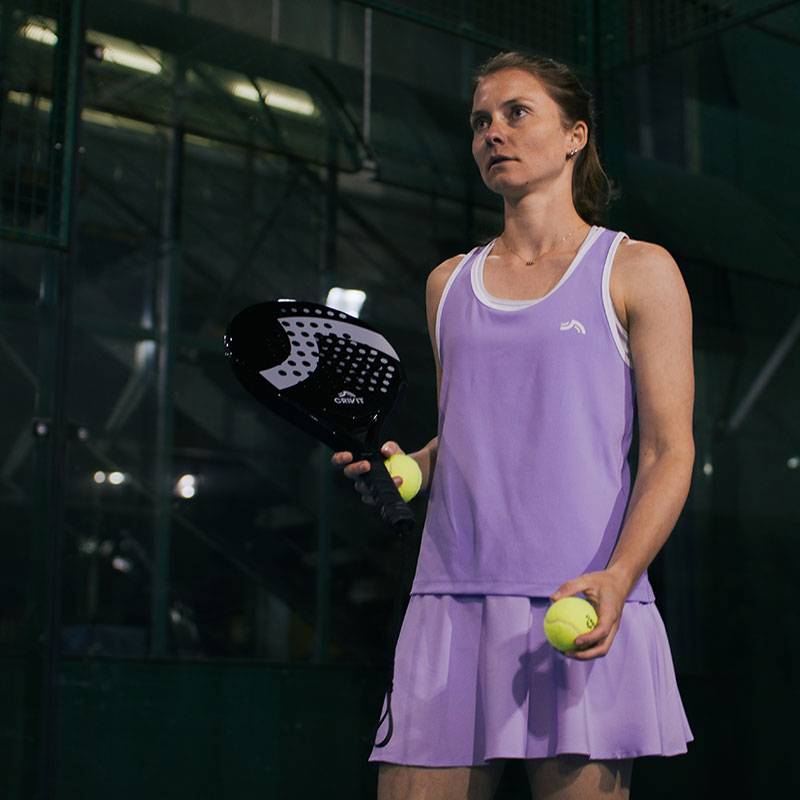
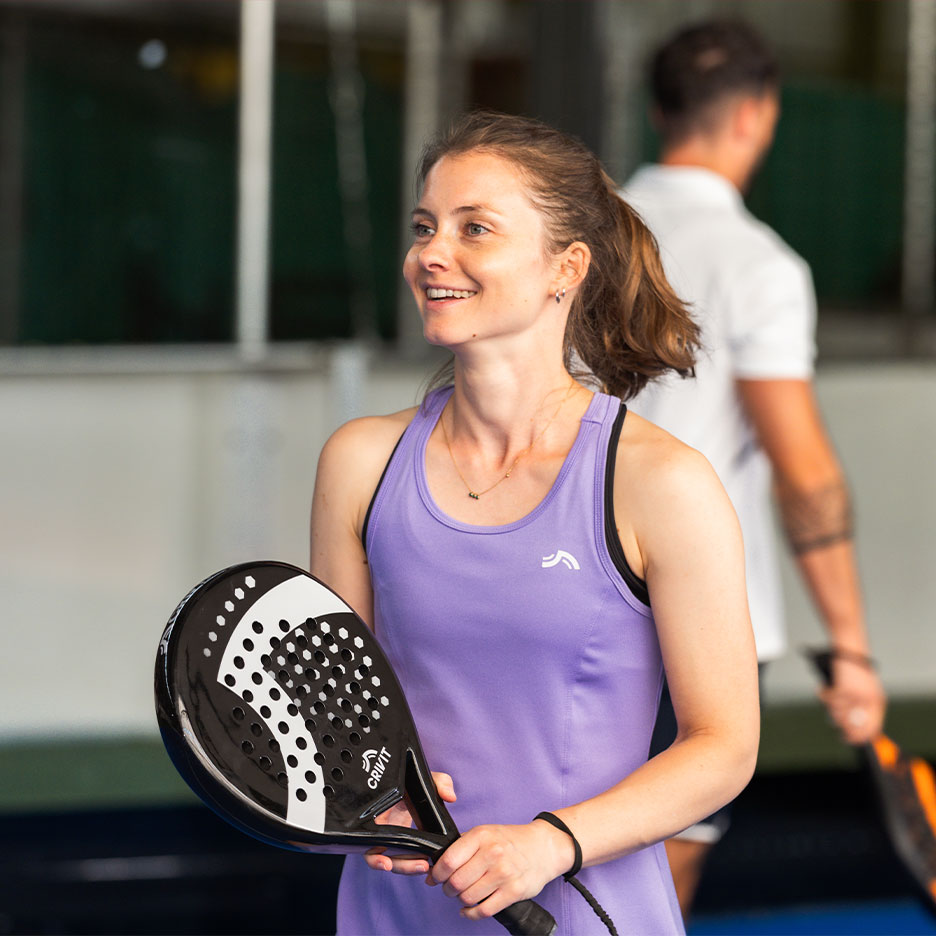
- Padel racket: The padel racket is compact, lightweight and, unlike the tennis racket, which is strung, has holes. It is usually made of carbon fiber or plastic. Its construction makes it easier to control than the tennis racket.
- Padel Balls: Padel balls are similar to tennis balls, but are slightly softer and have less pressure, which slows down the game and makes it more controllable.
- Sportswear: Wear comfortable and breathable sports clothing to allow for lots of movement.
- Padel shoes: Any trainers are suitable as long as they have a good cushioning and good grip on artificial grass with sand.
What are padel rules?
The padel rules are easy to understand. Here is an overview of the most important padel rules:
Doubles: Padel is usually played as doubles with two players.
Scoring: Points are counted in a similar way to tennis: 15, 30, 40, game win. Usually 6 games are played. The winner must have a lead of 2 games.
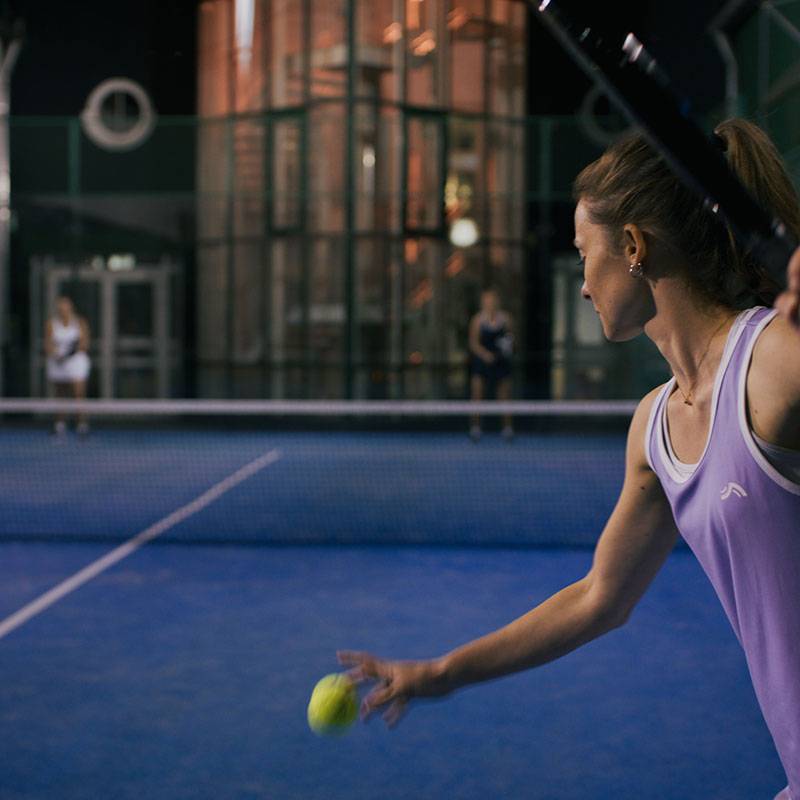
Serve: The ball is served below the hips and diagonally into the opponent's service area. The ball must bounce once after the serve before it hits the wall or goes out.
With the wall: The walls may be included in the game, but do not have to be. The ball can either be played directly over the net or against the wall to the opponent. The back walls may also be used.
7 top tips for padel
To help you progress quickly when learning to play padel, here are some top tips for beginners:
- Find a beginner's course: many padel clubs offer taster sessions or beginner's training courses where you can learn the basics directly from experienced coaches.
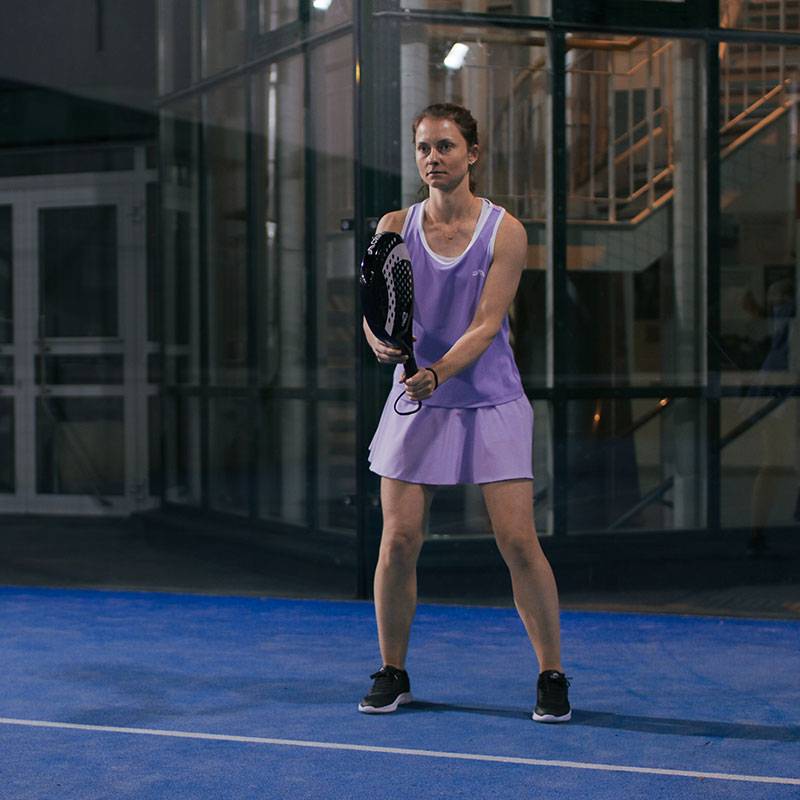
- Master your court position: In padel, the right position on the court is crucial. Stand loosely, feet about shoulder-width apart, knees slightly bent, ready to move in all directions. Don't stay too close to the net or too far back, a good middle ground gives you flexibility.
- Use the wall to your advantage: The wall is your friend, learn how to use it in a tactically clever way. This not only helps you in defense, but also opens up new moves.
- Focus on control, not on power: Especially at the beginning, it helps not to put too much force into your strokes. The aim is control, not power.
- Sharpen your reflexes: Padel is fast. With a little practice you will notice how your reaction time increases.
- Communicate with your team partner: You are playing doubles, talk to your team partner about who is taking which ball. This saves energy strengthens teamwork.
- Stay consistence and have fun: The learning curve is steep. Keep at it regularly and progress.
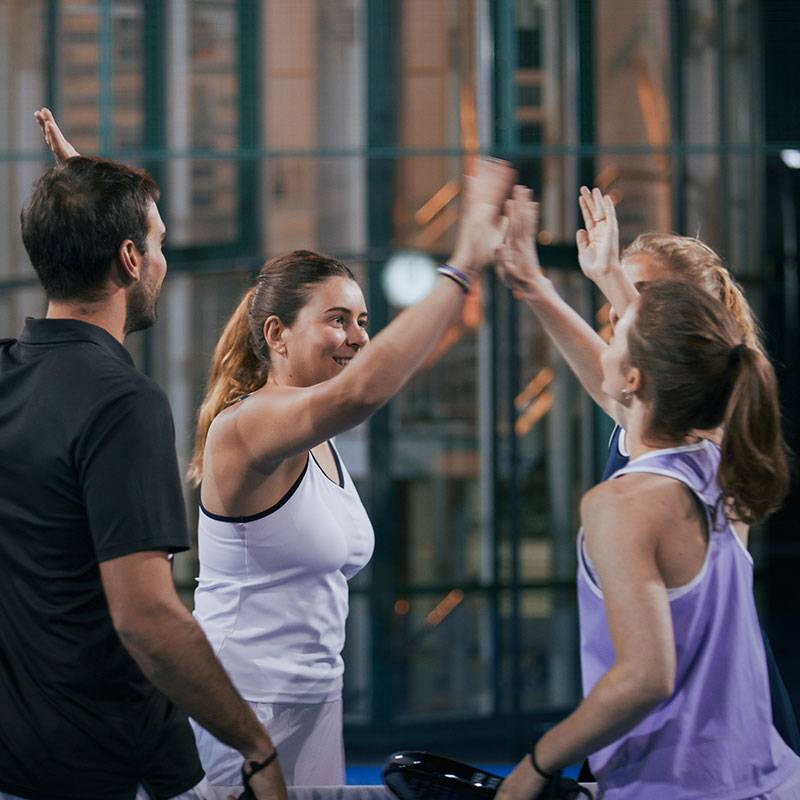
Whether you're active or just starting out, padel is the perfect sport to combine fitness, fun and teamwork. The rules are simple, the game is dynamic and you can get started without any previous knowledge. And best of all, you hardly need any equipment and can get started straight away. So, grab a racket, try it out!