Baking for Easter: Tips for beginners
Dry muffins, burnt cake, not enough food prepared for your Easter brunch? Don't panic! With our tips for baking and cooking, you can look forward to the coming holidays with peace of mind.

Baking is easy - isn't it?
Cooking and baking are varied hobbies and it's easier than you might think to get started. All you need are the right tools and a few golden rules. The more precisely you carry out each step, the better your bakes will turn out. With our tips for Easter baking, you'll be baking confidently and treating family and friends to your tasty creations in no time!
Follow the recipe exactly
When baking, chemical reactions can result in fluffy dough, crispy crusts or the exact opposite. As soon as you deviate from the quantities in a recipe or replace ingredients, these reactions change.
Clear signs of quantity or ingredient errors are:
- Pastry that is too compact and too firm (e.g. oil used instead of butter)
- Pastry that is too dry (e.g. too much flour)
- Pastry that does not rise (e.g. wrong raising agent)
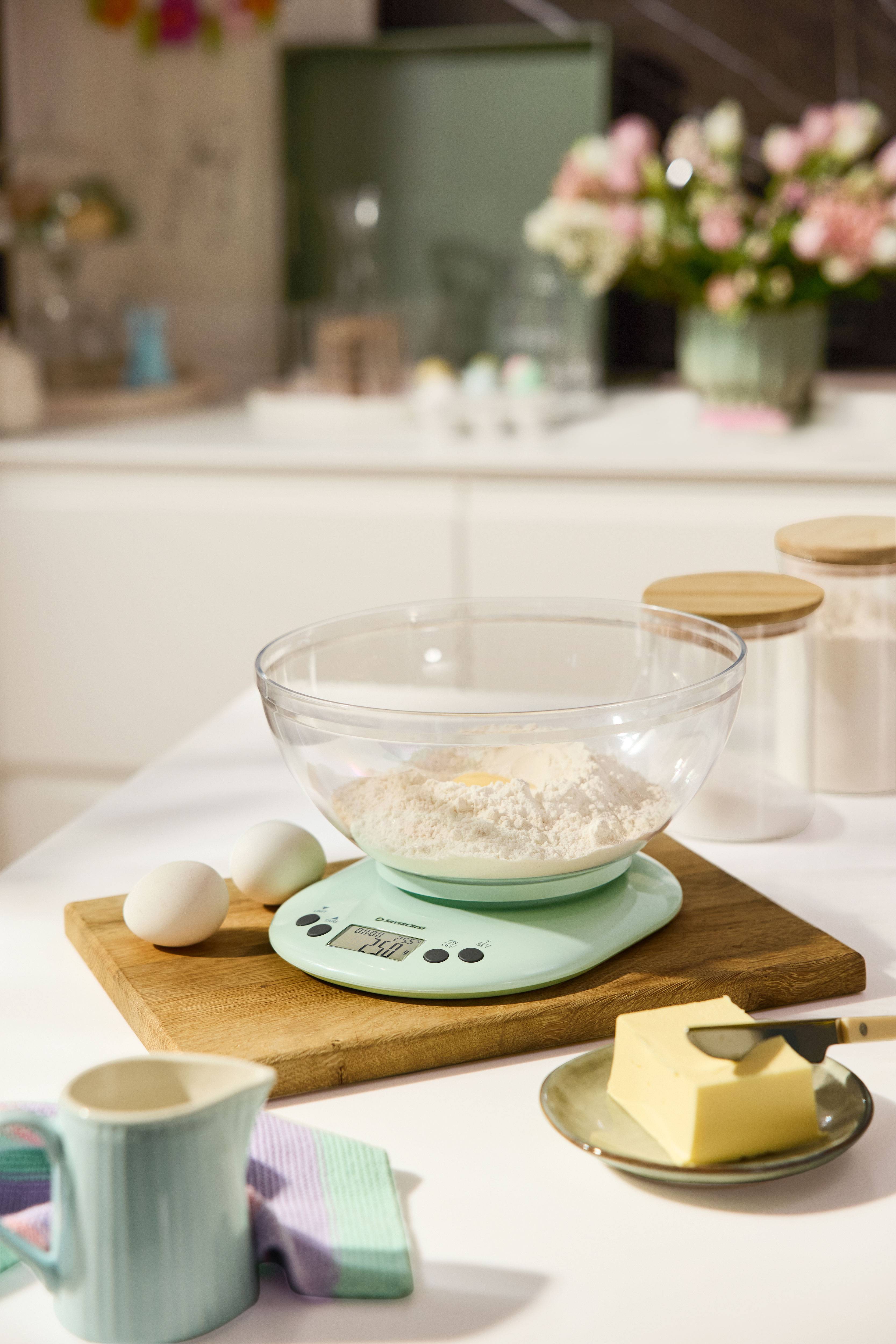
Of course, your bakery creation will taste good even with errors. Nevertheless, you should read through every recipe completely before starting and measure all ingredients precisely. It's best to use a kitchen scale - even for liquids - and if you want to swap ingredients, you need to find the perfect substitutes. If you use baking soda instead of baking powder, the dough will need additional acid - for example lemon juice or buttermilk. If you want to replace butter with vegetable oil, add some semolina to the dough so that it retains its fluffy structure.
Get the mixing right
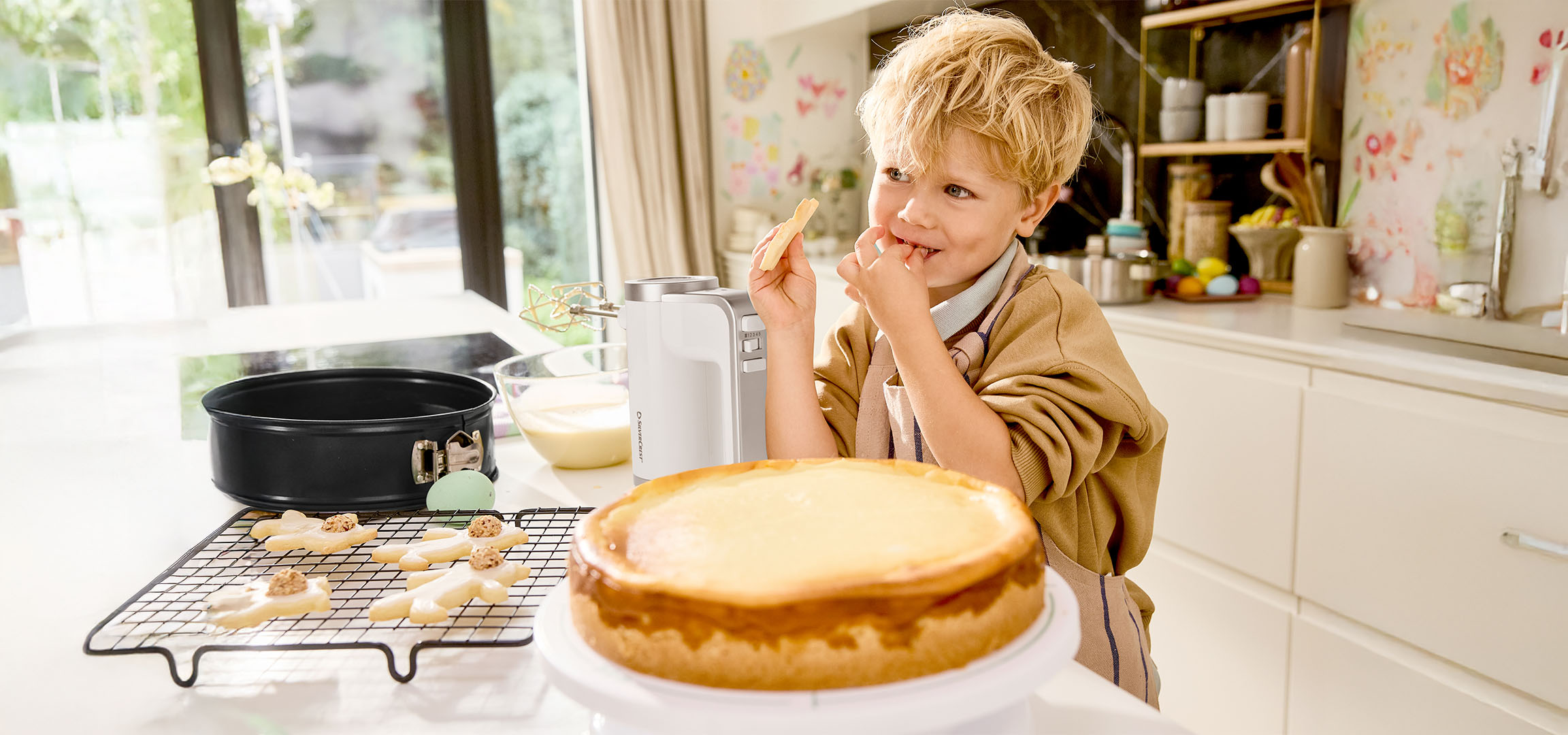
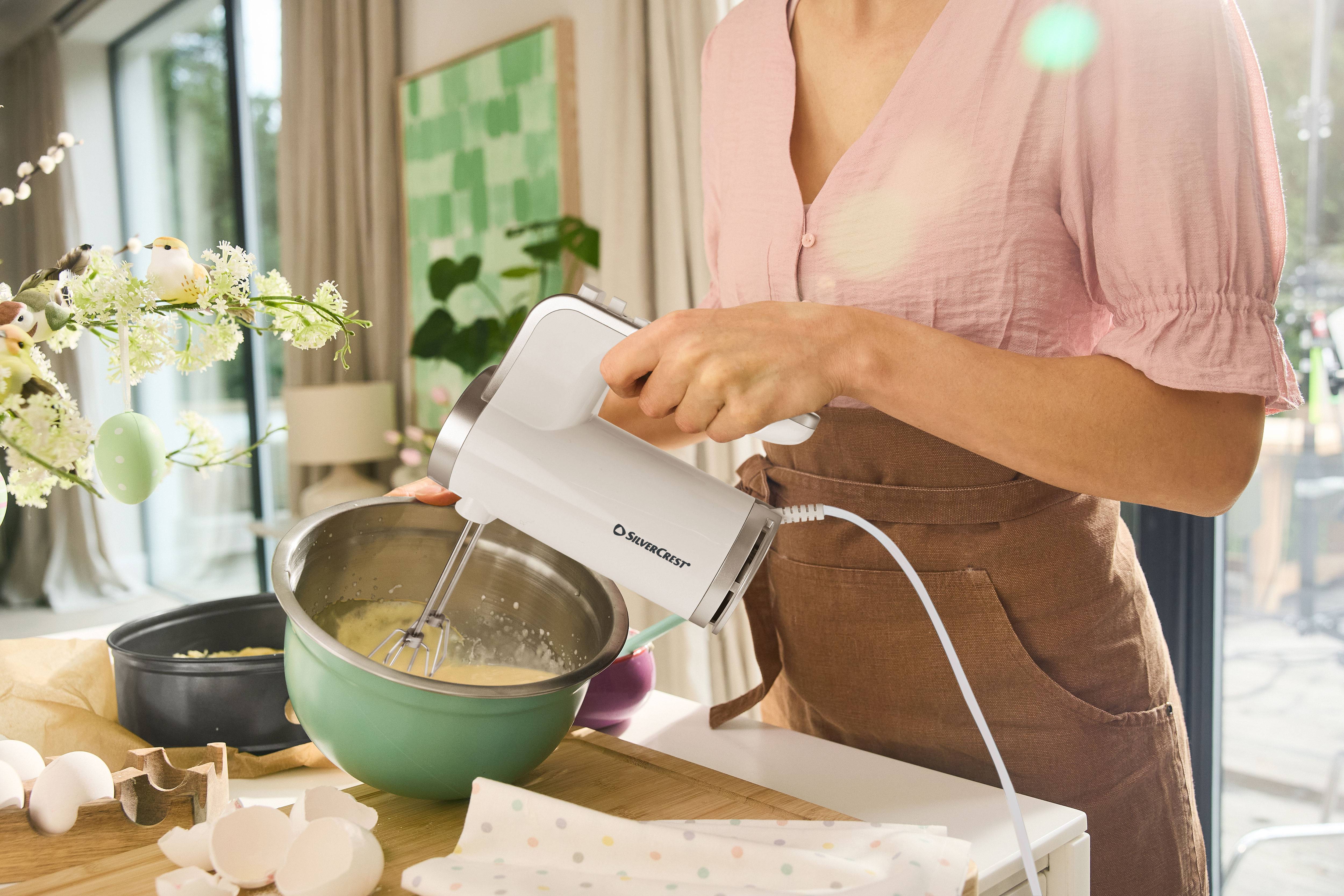
Your mixing technique determines the results in the oven. If you mix too little, lumps will form in the dough. If you mix too much, it won't rise properly. The basic rule is: mix dry and wet ingredients separately before combining them. Flour and baking powder should be added to the eggs, vanilla and butter as late as possible, and the choice of the right tools and mixing time are also important. If you want to beat the ingredients until frothy, it is best to use a hand mixer or food processor and work the mixture on a low setting for a longer period of time. Fold in the flour and baking powder by hand - just until no more flour is visible.
Use the right mould
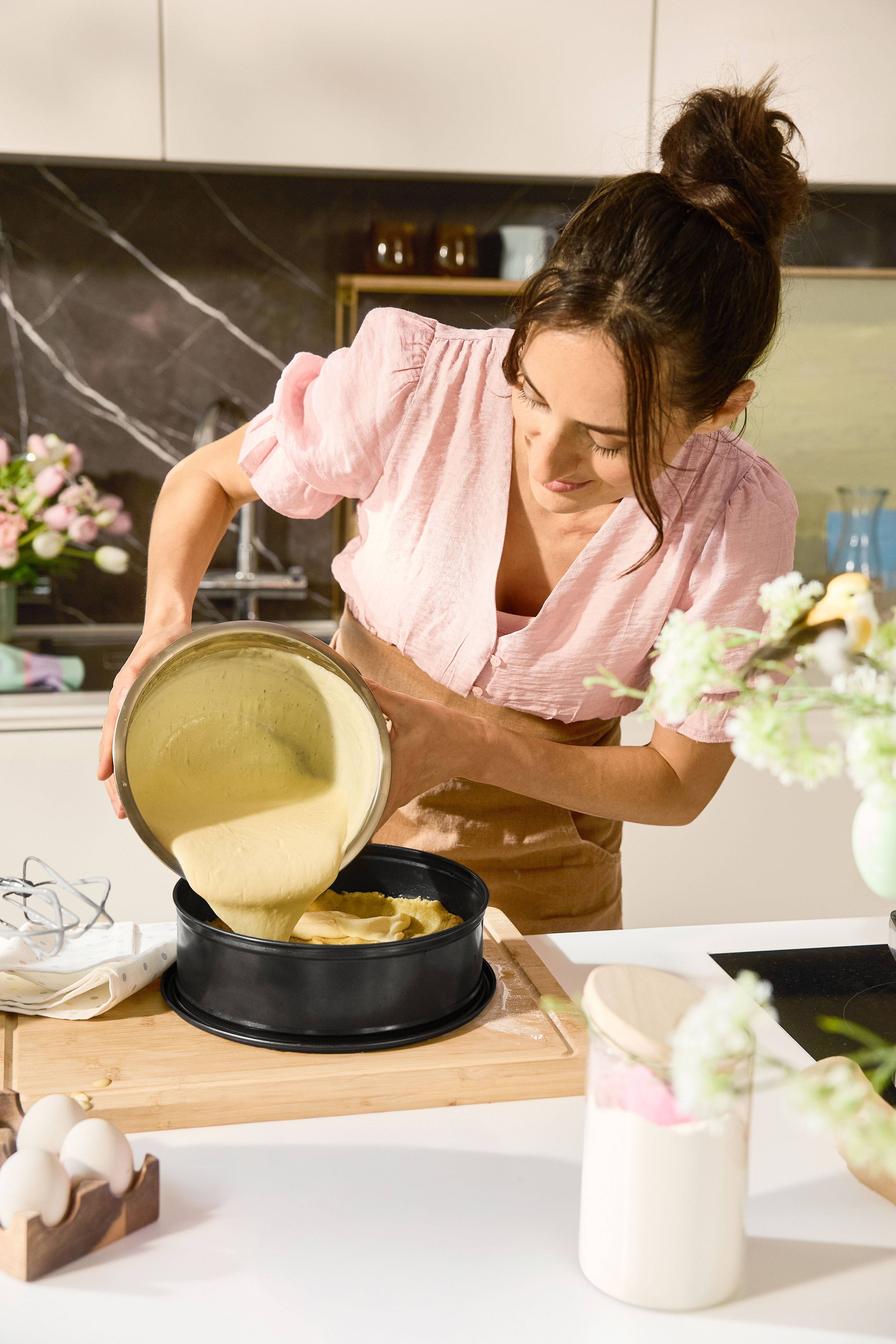
It's up to you whether you use baking moulds made of silicone or baking moulds made of classic sheet steel. The size is more important than the material. It must match the amount of dough. The baking tin must not be more than half full and the dough must touch the edges. Otherwise it will not be able to "climb" up the sides and rise properly during baking.
Know your oven
Where does the most heat develop, which rack is suitable for which recipe? Getting to know your oven is key to a great bake. It's vital that you keep an eye on your bake in the oven. Knowing when to step in and how to fix issues is key. For example, with a pastry bake, if the surface of your pastry browns too quickly, do not reduce the heat, but place the pastry on the bottom shelf and cover it with baking paper. After the specified baking time, test with a skewer and, if necessary, add a few more minutes to the baking time and make sure the oven door remains closed until the approximate end of the baking time! Every time you open it, the temperature drops and important reactions are interrupted or altered.
Simply conceal blemishes
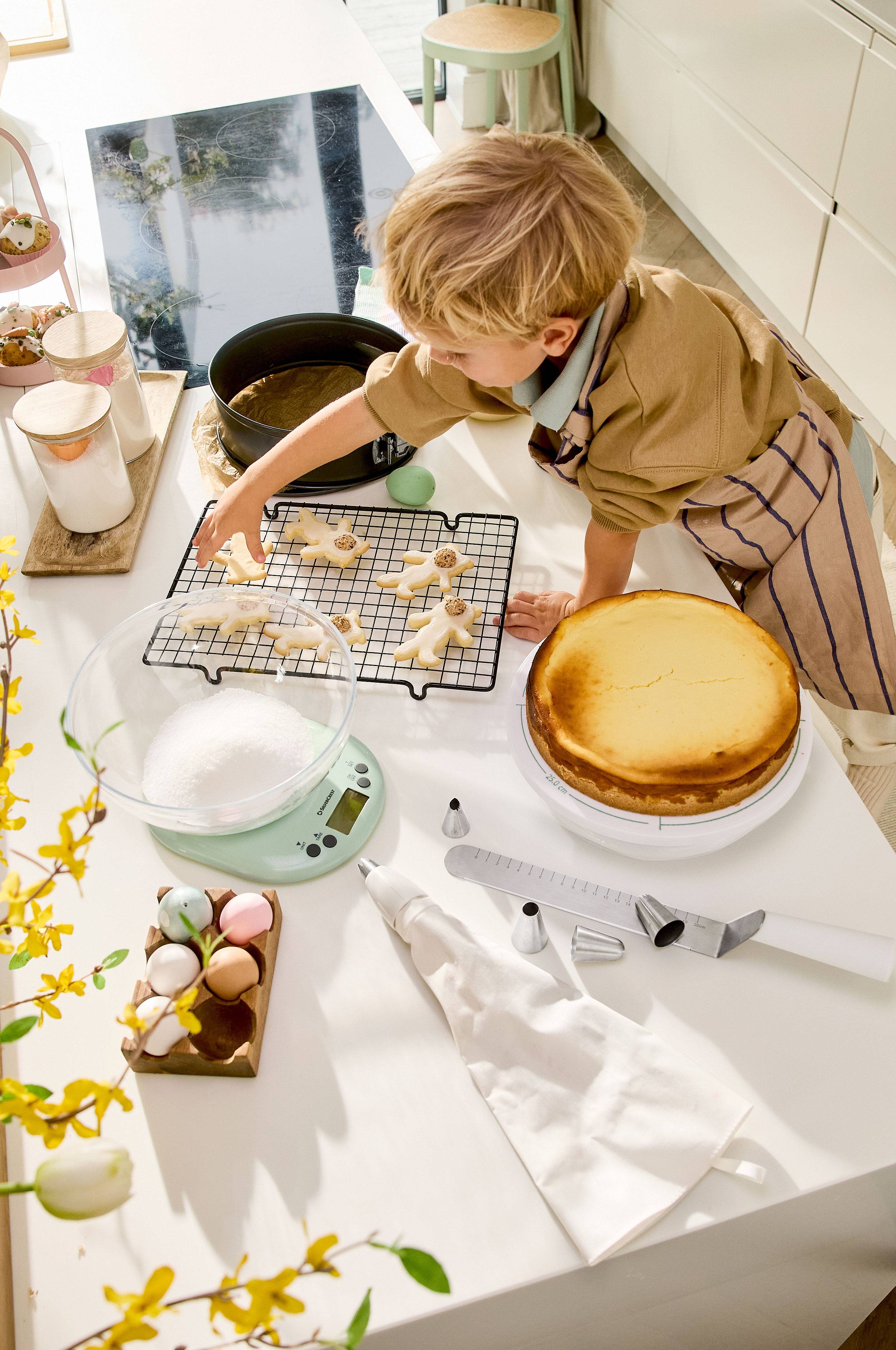
This happens even to baking professionals, your baked goods break when they are removed from the tin or the cake is drier than desired. Such baking issues can often be corrected. For example, dry baked goods can be made fresher with an infusion of milk or fruit juice. Drill holes in the surface with a toothpick or wooden skewer and drizzle in the liquid. Leave to infuse for a short time and then serve on the table.
Adding a delicious and eye catching icing can also draw attention away from any post-baking blemishes. Beat the icing sugar and butter at room temperature until fluffy and then add the cream cheese. Pour the icing over the top and nobody will notice!
Not enough bakes to go round?
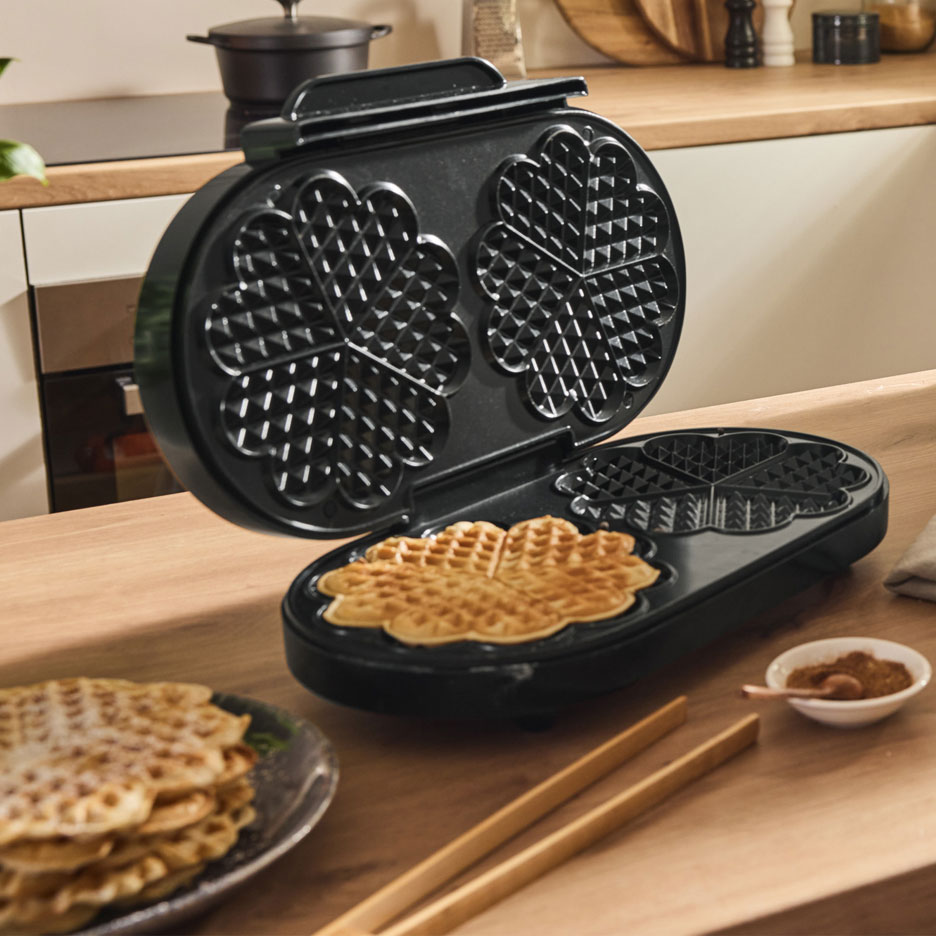
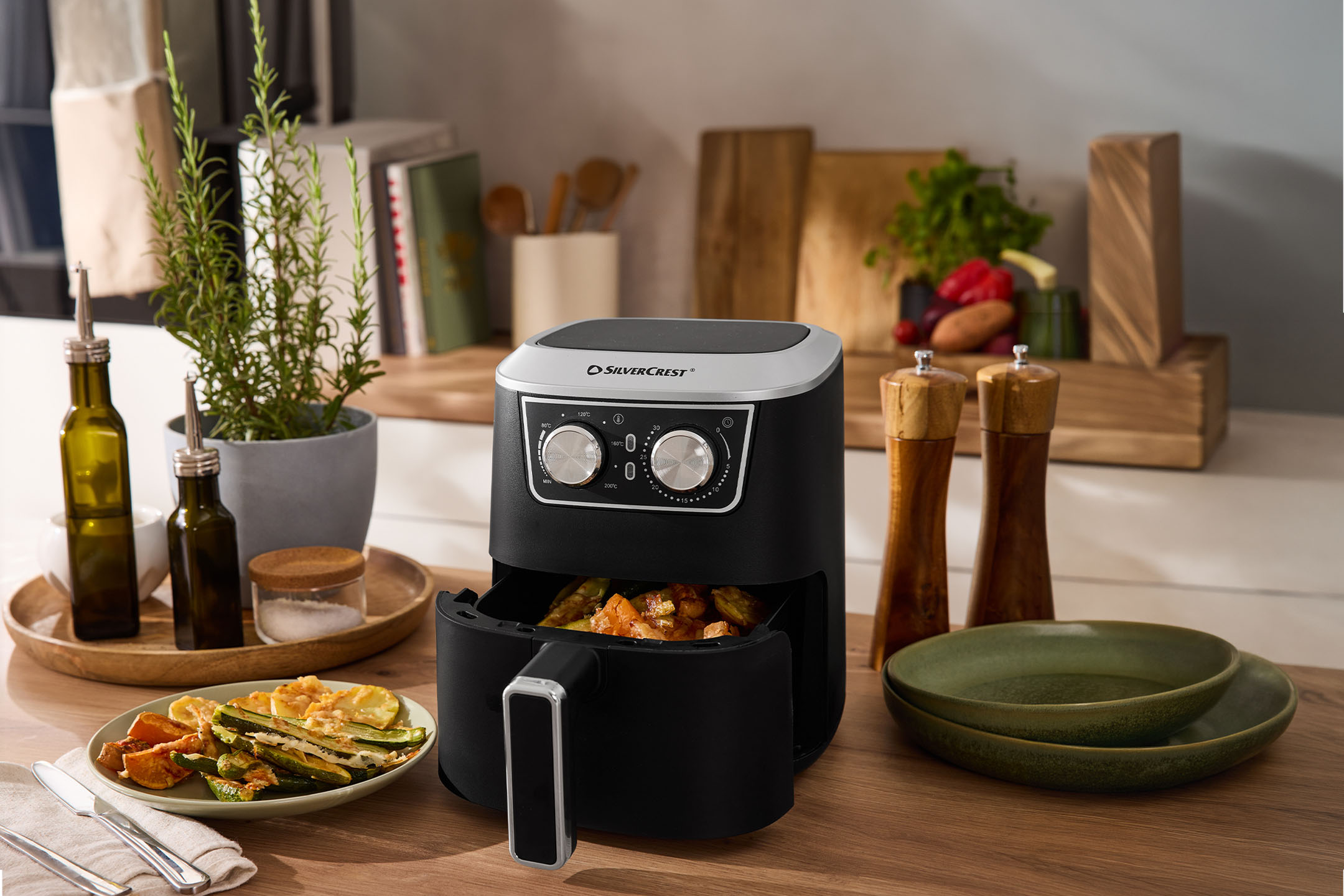
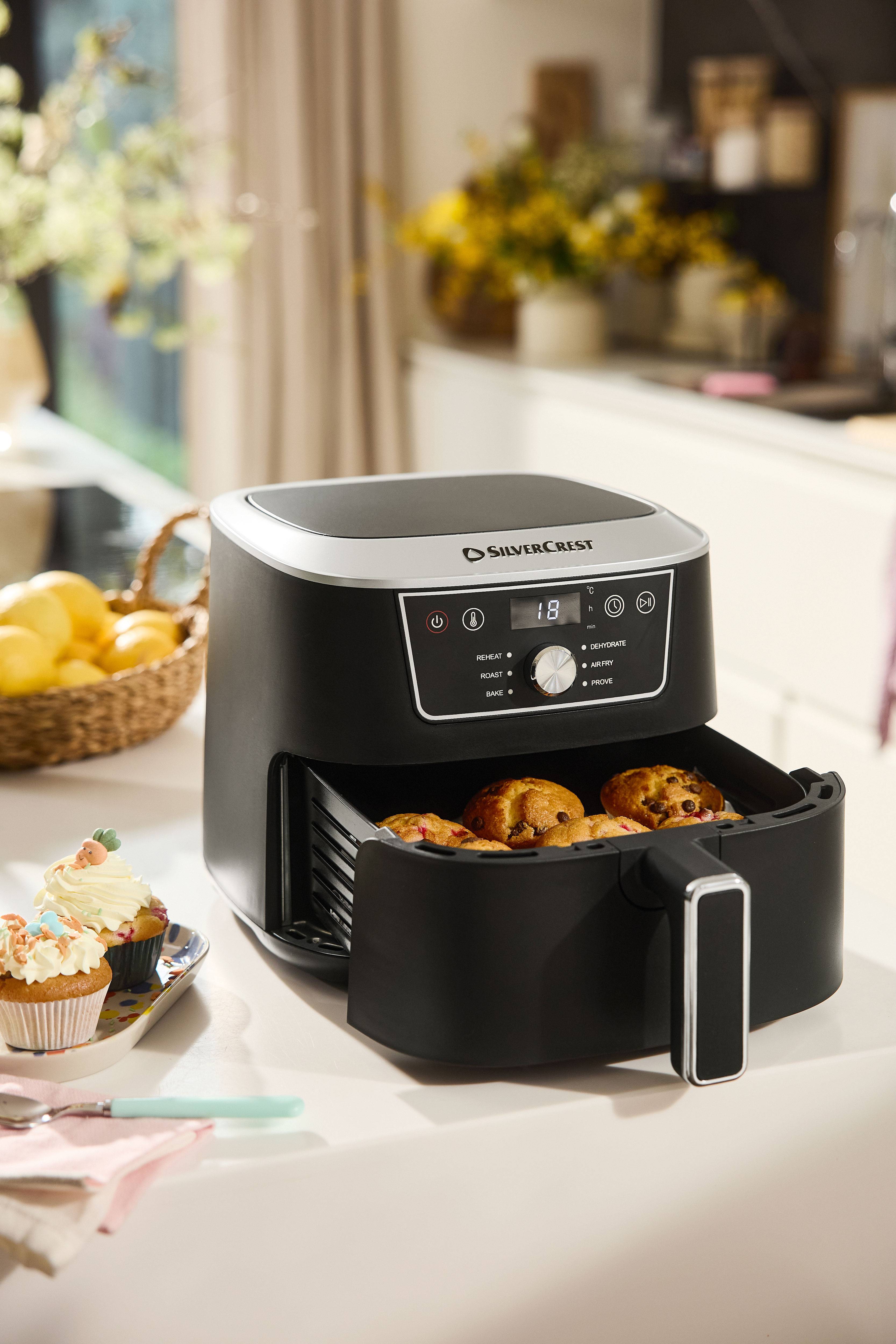
You've spent hours baking for Easter, but your treats aren't enough to feed all your guests? You can rely on two handy baking tools that can whip up a tasty bake in not time! In hot air fryers, you can prepare practically everything you need for Easter brunch in record time. Baking bread in the Airfryer? It barely takes 30 minutes with a quark dough. Even an easy cheesecake only takes around 15 minutes, and a waffle iron can do more than you might think. You can prepare waffle batter perfectly with a hand blender and make it in a flash. For waffle buns, you can take ready-made batter from the chiller cabinet, tear it into small portions and bake in a greased waffle iron in just a few minutes. This also works with frozen croissants and similar breakfast classics, but either way, it's always worth having a few aces up your sleeve when baking for Easter. What you don't need for Easter brunch can simply be reused after the celebrations. Most doughs can be frozen and simply put in the airfryer, oven or waffle iron when needed.