One room, two worlds: toys that bring siblings together
It's a classic family scene. The five-year-old has just painstakingly built an intricate knight's castle. The next moment, their one-year-old sibling crawls over and demolishes the masterpiece with a happy squeal. The result? A huge drama, frustration on both sides, and parents having to play referee.
The challenge is a real one: how do you get children with a big age gap to play in the same room without constantly getting in each other's way? The answer lies in cooperative toys. Items that are so versatile they can captivate children at different developmental stages at the same time.
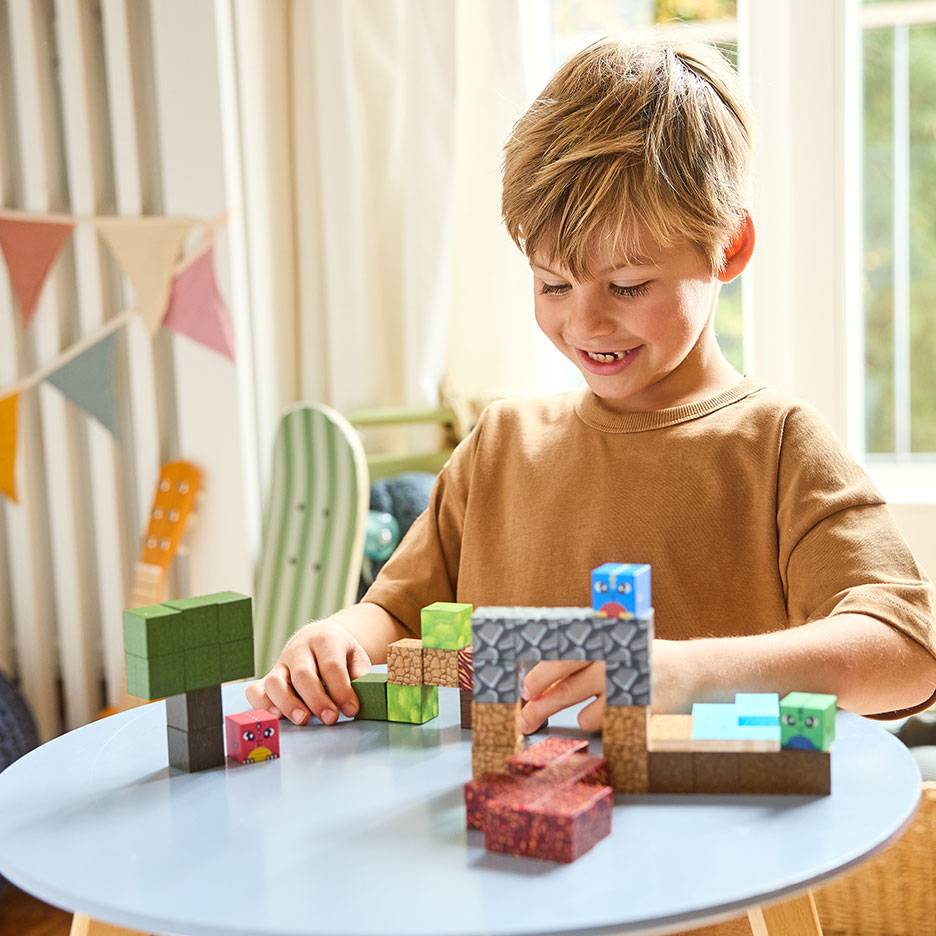
1. Magnetic tiles: From colour sorting to 3D architect
Magnetic tiles are one of the top choices when it comes to toys for all ages. The secret? The law of magnetic attraction fascinates babies just as much as school children.
The Sibling Challenge: While the older child builds a metre-high rocket, the younger one can be kept busy passing the 'master builder' the right blue or square bricks. This builds team spirit and makes the younger child feel fully included.
Toddler (from 1-2 years) | Older child (from 3-4 years) |
|---|---|
Sorts blocks by colour | Builds complex 3D houses |
Explores the "clicking" sound | Constructs marble runs |
Stacks first flat shapes | Uses blocks for role play |
2. The Play Kitchen & Shop: A timeless role-play favourite
Few toys last as long in a child's room as a play kitchen. It's the perfect tool for social learning, as it allows children to imitate the "real world" of adults on many different levels.
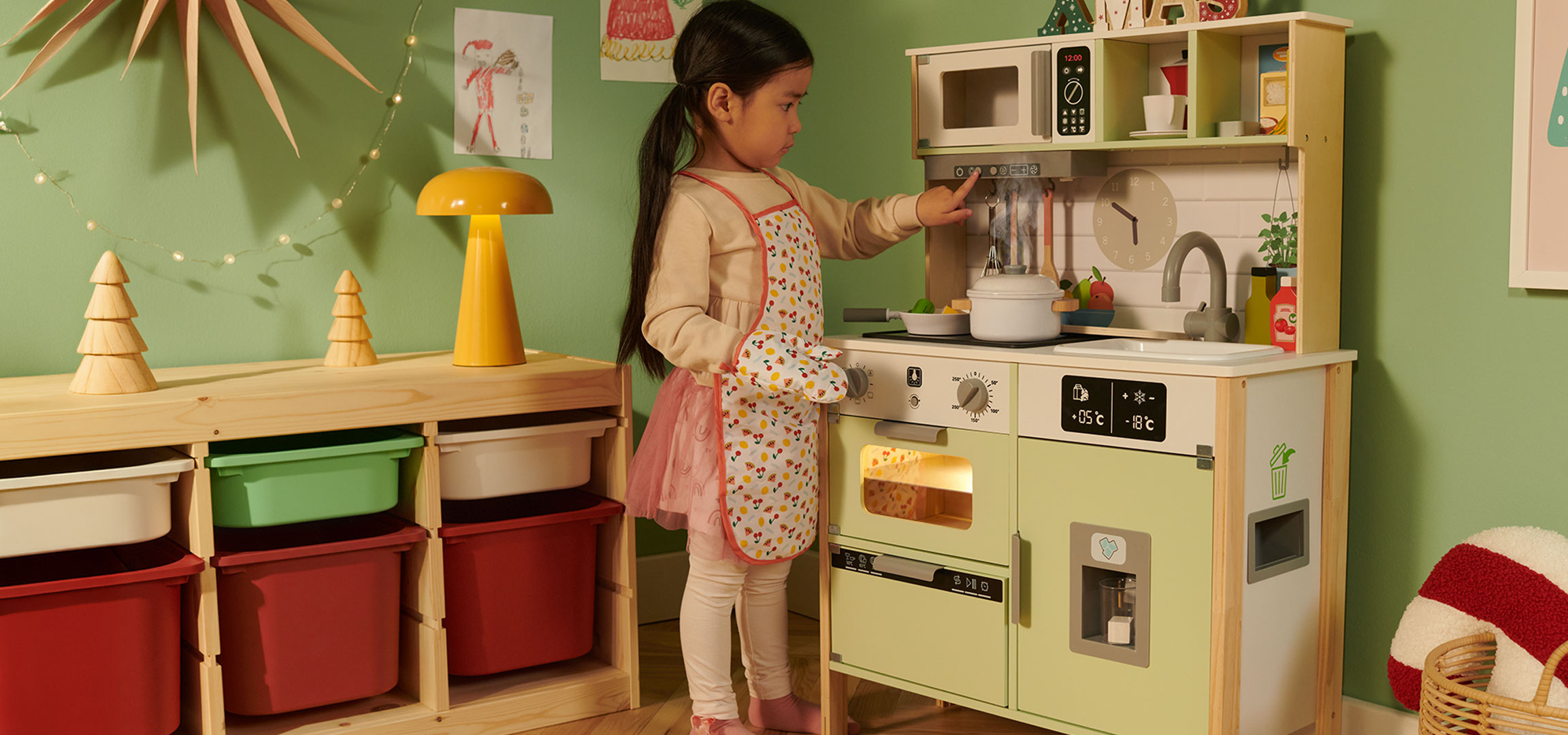
 How your baby/toddler plays:
It's all about pure sensory play. Rip apart the velcro vegetables (training finger muscles), fill up the pots, stir loudly with the wooden spoon, and open and close the doors.
 Play for an older child
This is where complex scripts are written. A "restaurant" is opened, menus are drawn, prices are negotiated and little brother or sister is the first customer!
3. Bright colours, gentle curves: rainbow and balancing stones
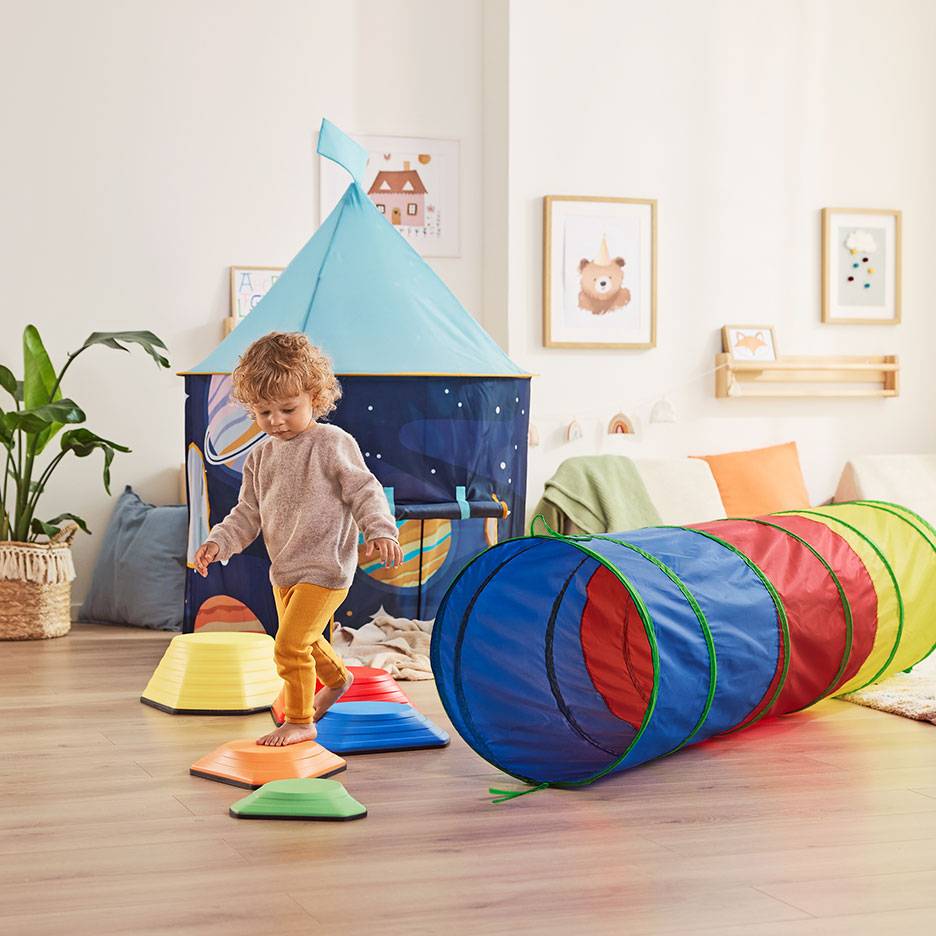
Large, stackable elements made of wood or robust, lightweight plastic (such as stacking stones) break down all age barriers by putting the focus completely on movement and creativity.
- Sensory start: Your baby can use the light shells to tip them over, fill them up or hide things.
- The sporty challenge: An older child can build a "the-floor-is-lava" course through the room, balance on the round surfaces, or use the shells as baskets for a throwing game.
You don't have to reinvent the wheel (or the playroom). High-quality, open-ended play systems are suitable for children of all ages. They grow with your child, save space and bring your kids together around one table.
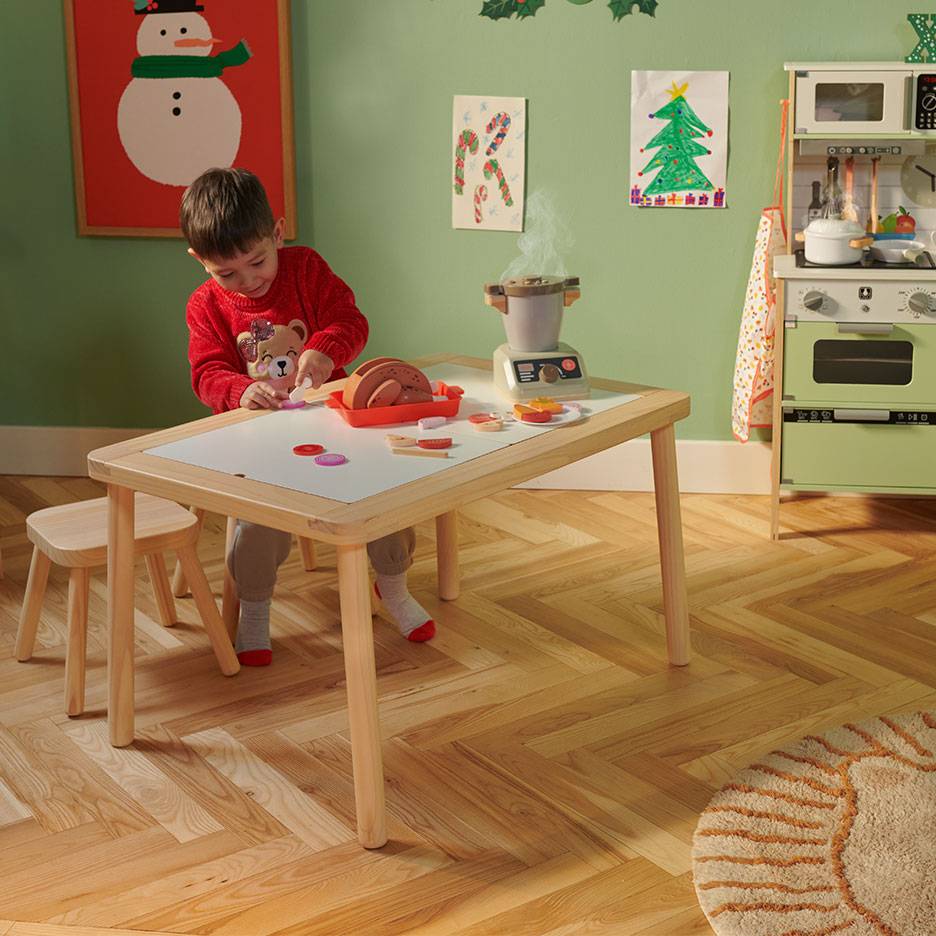 Step 1: Preparation
Delicate creations (e.g. made from small Lego bricks), which could be a choking hazard or too frustrating for your baby, should be moved to the kitchen table or a raised play board. This protects your older child's masterpiece and your little one's health.
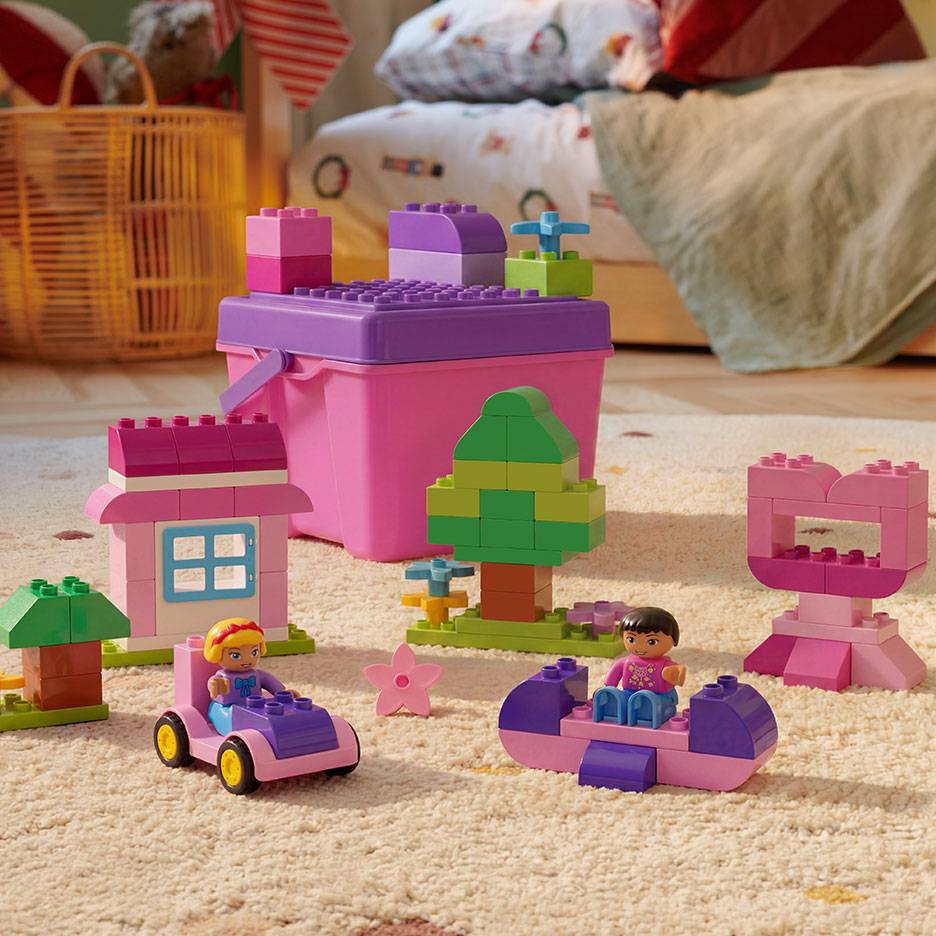 Step 2: Material check
Cooperative toys only work when there’s enough to go around. If there are only ten magnetic blocks, arguments are bound to happen. Make sure you have a big enough box so they can both dip in at the same time.
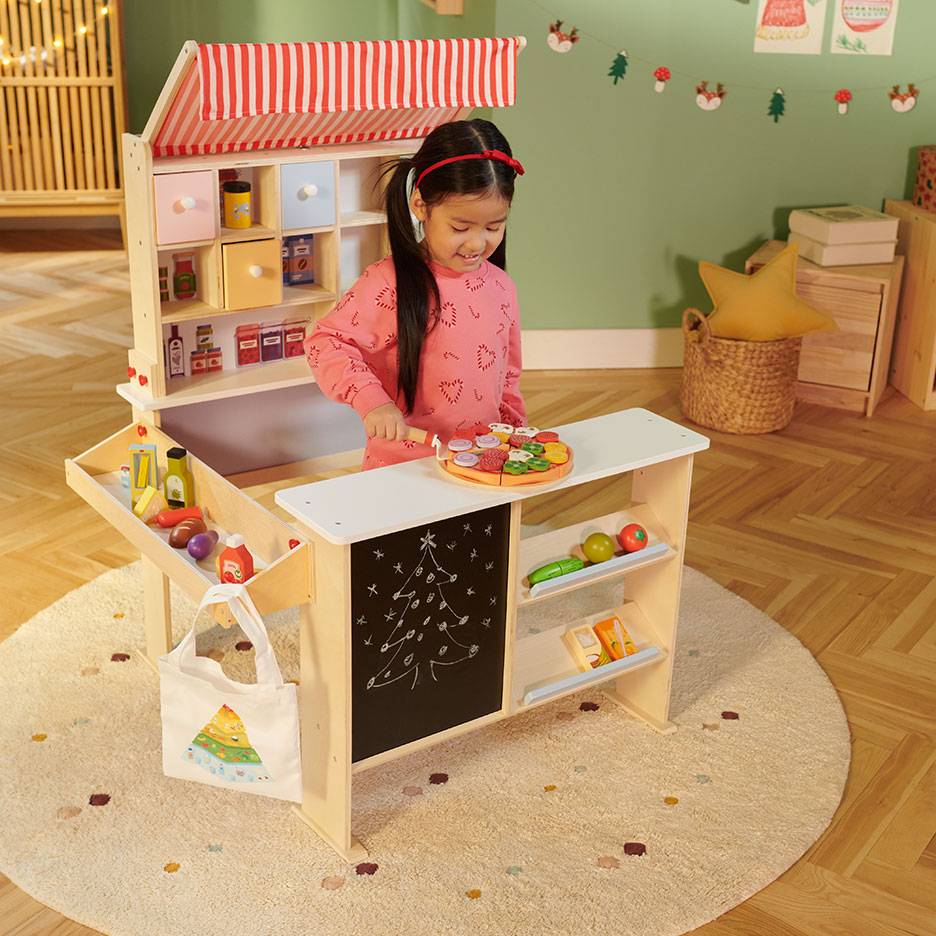 Step 3: Playing guide
Help your little ones find a way to play together at the start. Give the youngest a clear task that helps the older child ("You're in charge of supplying the building blocks today!").