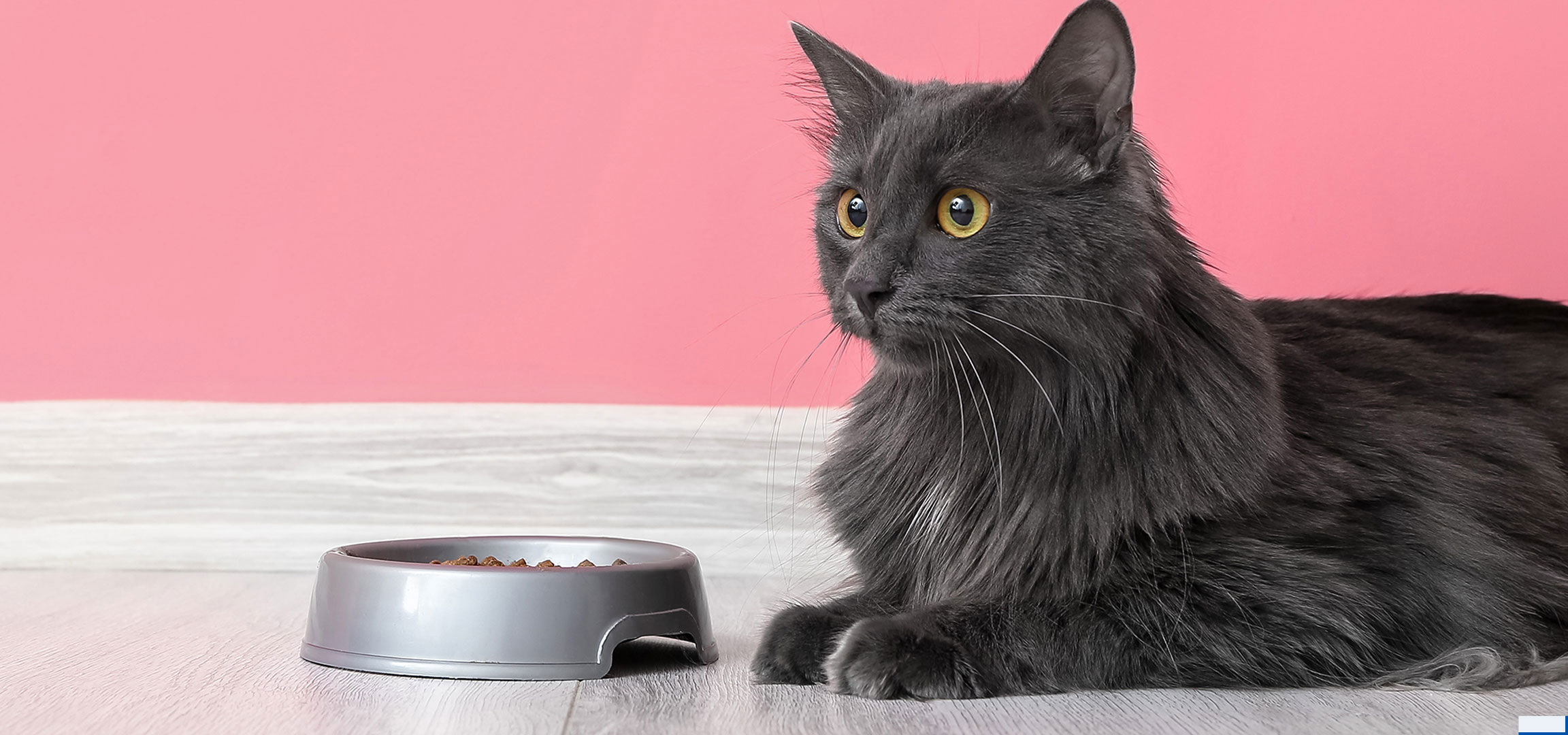
Changing your cat's food: a gentle guide for sensitive paws
Cats love their routine. The warmest spot in the sun, playtime, cuddle time, and of course, their favourite food for dinner. It's no wonder many of our feline friends are a bit suspicious when something new suddenly appears at mealtime. The good news, with a little patience and the right plan, switching their food can be a stress-free process. Step by step, bite by bite.
The information provided on this website is for general educational purposes only and does not replace professional veterinary care. Always consult a qualified veterinarian for medical advice, diagnosis, or treatment regarding your pet's health. In an emergency, contact your vet immediately.
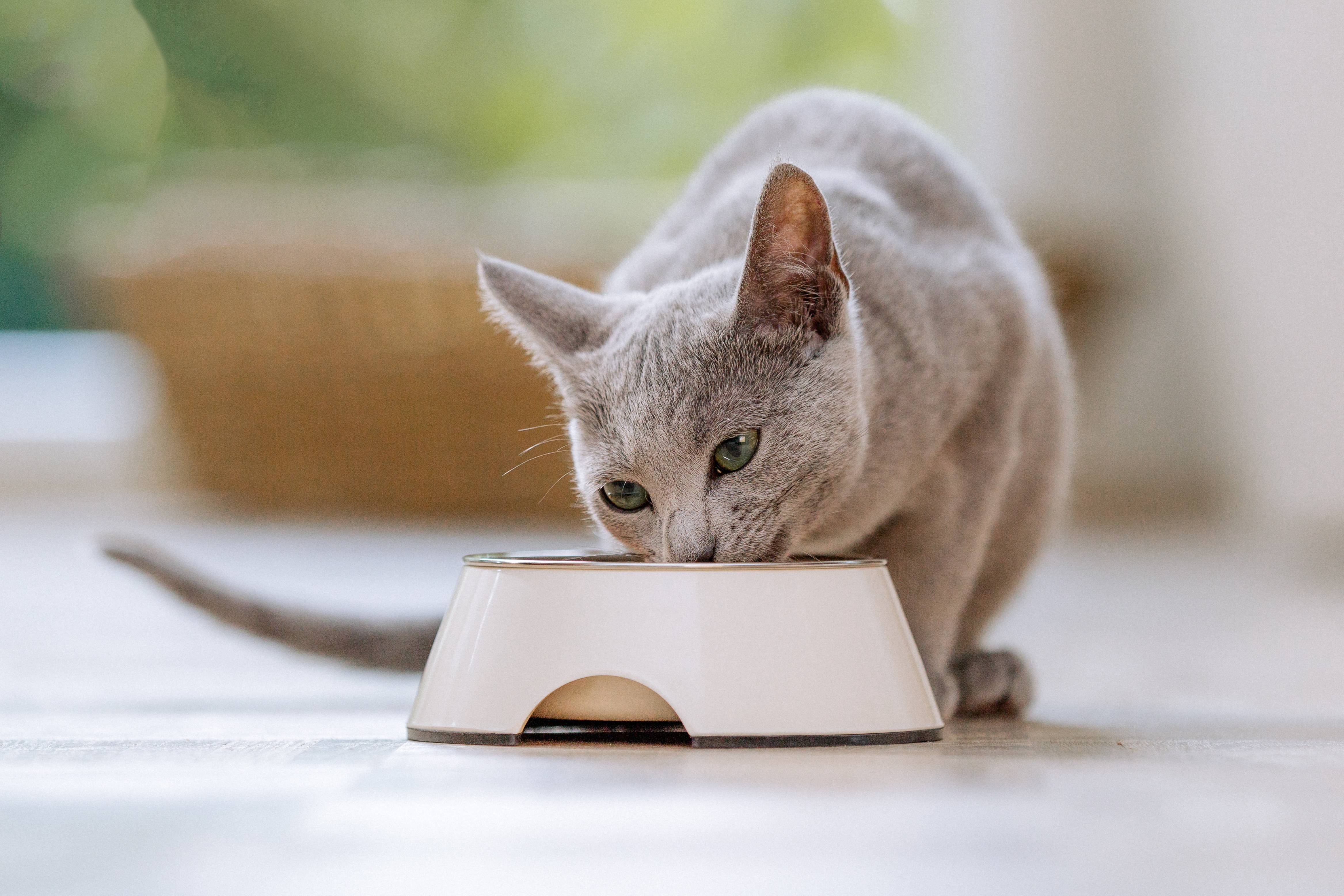
Why cats are such fussy eaters
Your cat is a foodie with principles. They check the smell, texture and temperature of their food very carefully. It's a trait they inherited from their ancestors that protected them from spoiled food. What's more, a cat's stomach is sensitive to sudden changes. Switching their food too quickly can upset their digestion. That's why its's always best to switch them over to new food slowly.
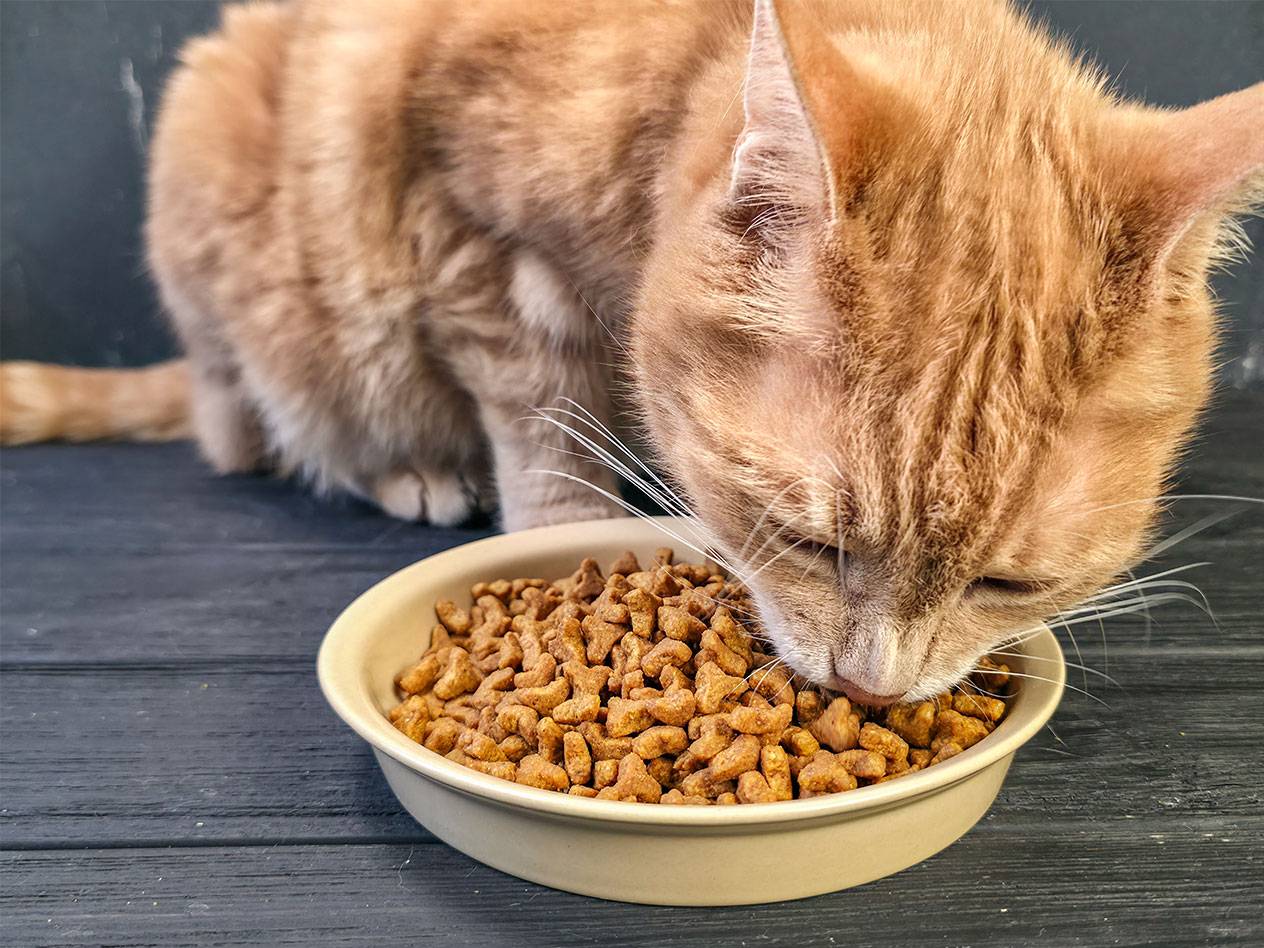
When does it make sense to change their food?
There are good reasons to switch your cat's food: the transition from kitten to adult food, neutering, advancing age or special needs like hairball support. Unsure if a change is the right move? Your vet will be happy to help you decide.
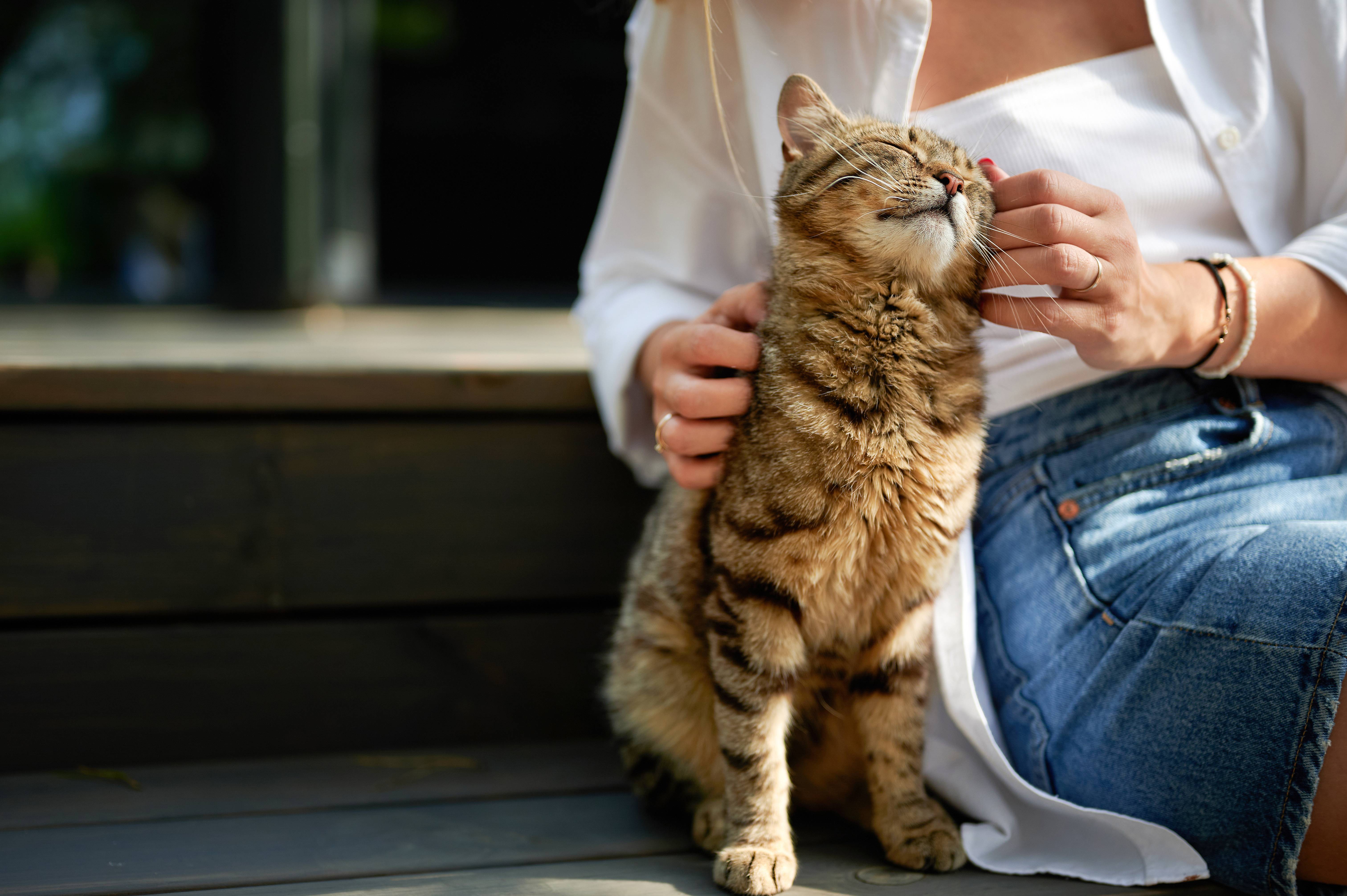
The gentle 7-day plan for changing your cat's food
The principle is simple: gradually mix the new food in with the old, giving your cat time to get used to the new taste and texture.
Here’s how to do it
- Day 1–2: 25% new food, 75% usual food
- Day 3–4: 50% new food, 50% usual food
- Day 5–6: 75% new food, 25% usual food
- From Day 7: 100% new food – you’ve done it!
Does your cat need a little longer? No problem. Sensitive cats can take up to two weeks. The important thing is that they get there at their own pace.
Top tips for fussy eaters
- Serve food at room temperature – this helps to release the aroma
- Feed at set times in their usual, quiet spot
- Stay relaxed: cats can sense when you're tense
- Reward curiosity, but don't be pushy
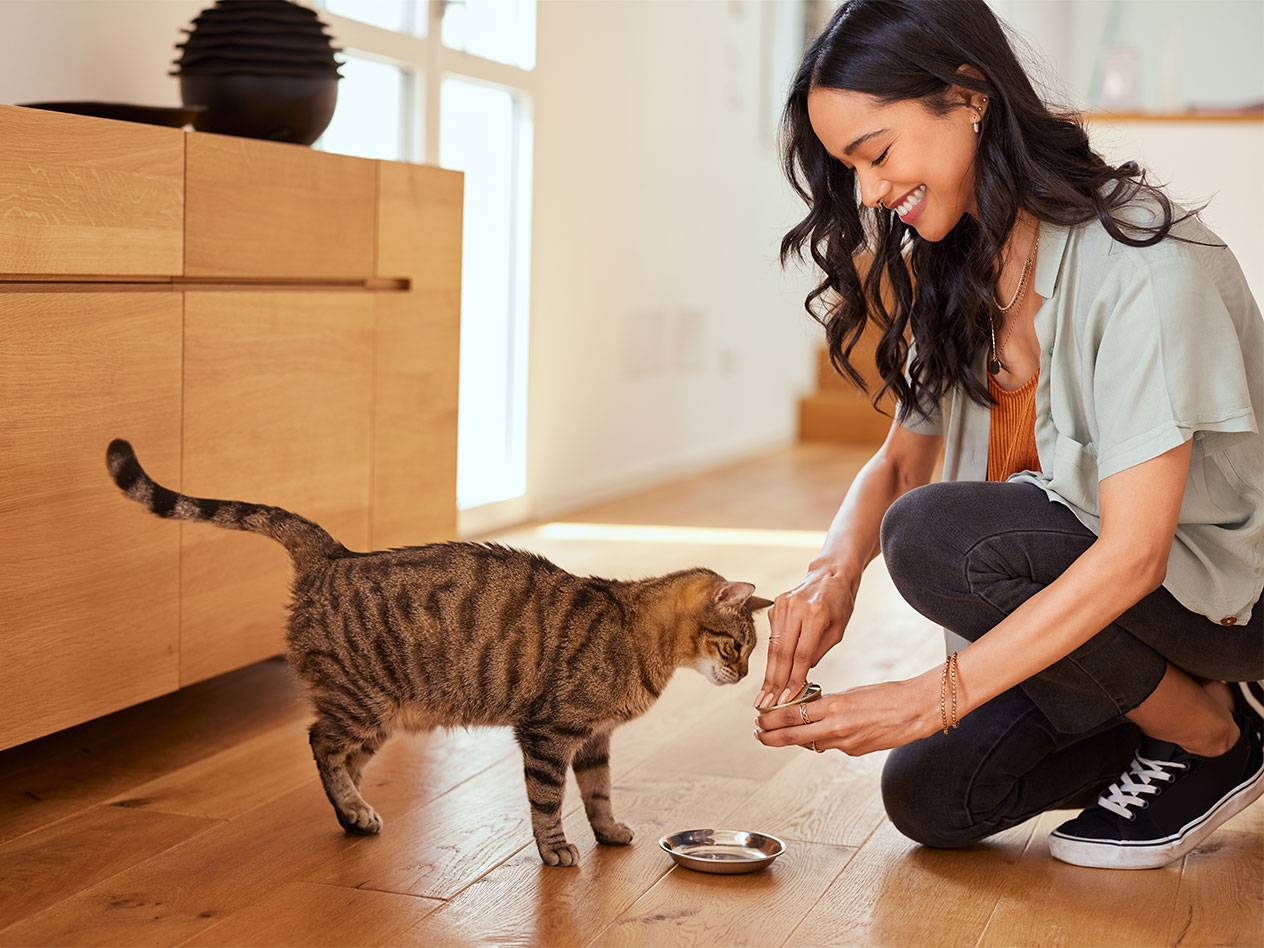
How to tell if the transition is a success
Is your cat eating with a healthy appetite, is their digestion regular, and are they as playful as ever? Wonderful. That means they've accepted the new food. Just keep a close eye on them for the first few weeks. If they continue to refuse food or have digestive problems, a trip to the vet is the right choice.
In conclusion: good things come to those who wait for treats
Changing your cat's food isn't a sprint, it's a leisurely stroll. With a 7-day plan, established routines, and a bit of patience, your feline friend will comfortably adapt to their new food. Discover the Mila's World cat food range now.